

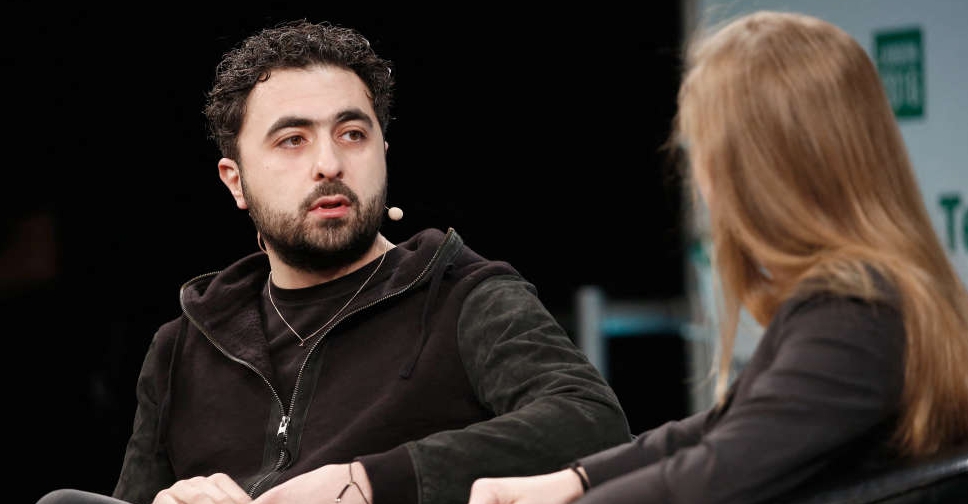
Mustafa Suleyman, one of the co-founders of Google DeepMind, recently shared his perspective on the evolving landscape of artificial intelligence during an interview with MIT Technology Review.
The era of generative AI is just a phase, he said, adding that the future belongs to interactive AI that can actively perform tasks by leveraging other software and human collaboration.
Suleyman, currently the co-founder and CEO of the new AI startup, Inflection AI, believes that interactive AI represents a profound shift in technology history, one that many people might underestimate. He envisions a world where AI bots are not static but dynamic, capable of taking actions independently, with proper authorisation.
"What's next is interactive AI: bots that can carry out tasks you set for them by calling on other software and other people to get stuff done," he told MIT Technology Review.
This perspective challenges the current state of AI technology, which he describes as "static".
Suleyman has previously predicted that AI assistants will become accessible to everyone within the next five years.
At present, the tech industry is witnessing the rise of generative AI tools that extend beyond the chat interface, popularised by ChatGPT. Investors in April hinted at the emergence of a new wave of AI startups, empowering developers to build applications using AI models and seamlessly integrating them with external data sources.
OpenAI, the creator of ChatGPT, introduced a Code Interpreter feature for its chatbot in July, a development that garnered praise from experts like Wharton professor Ethan Mollick. He considered it "the strongest case yet for a future where AI serves as a valuable companion for sophisticated knowledge work".
Suleyman's remarks come at a time when concerns are growing that the generative AI trend might be overhyped. Data from web analytics firm Similarweb revealed a decline in web traffic to ChatGPT's website for the third consecutive month in August. Investors, as reported by the Wall Street Journal in August, expressed challenges in translating the AI buzz into successful businesses. Generative AI tools like Jasper and Synthesia reportedly experienced stagnant or declining user growth, raising questions about the sustainability of the generative AI boom.


 Abu Dhabi Crown Prince arrives in India for AI Impact Summit
 India AI summit stumbles as Bill Gates pulls out, chaos mounts
 UAE President appoints new Federal Tax Authority chief
 Uber expands into 7 new European markets in food-delivery push, FT reports