

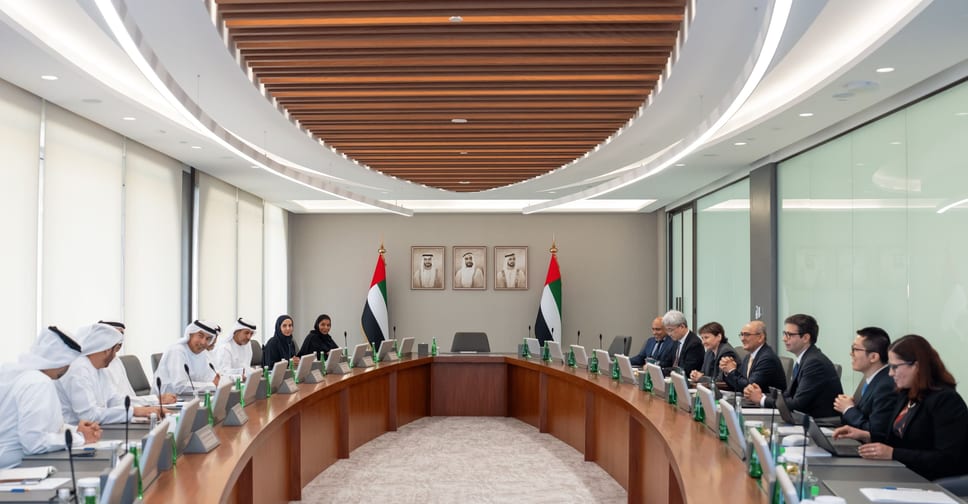
The International Monetary Fund (IMF) has concluded its 2026 Article IV mission to the UAE, following a two-week visit from November 3 to 17.
Led by the Central Bank of the UAE, the mission brought together federal and local government entities, as well as private sector representatives, to review the country's economic performance, financial stability and growth outlook.
Discussions focused on recent economic developments, monetary policies, banking sector resilience and measures to strengthen the UAE's financial infrastructure amid changing regional and global conditions.
Khaled Mohamed Balama, Governor of the Central Bank of the UAE, chaired the mission's concluding meeting in Abu Dhabi.
He highlighted the resilience of the UAE economy and its ability to adapt to global developments, crediting proactive government policies for supporting economic growth and financial stability.
Balama also noted the strong performance of the banking sector, supported by growth in lending and deposits and continued improvements in asset quality.
Total banking assets exceeded AED 5.8 trillion by the end of the third quarter of 2026, reflecting the strength and resilience of the UAE's financial system.
Meanwhile, the IMF praised the UAE's economic performance and its ability to withstand regional disruptions.
Said Bakhache, the Fund's Mission Chief for the UAE, said economic activity is beginning to regain momentum, particularly in the oil, trade, aviation and tourism sectors.
"The UAE economy has demonstrated resilience and strength in facing regional disruptions, supported by agile and targeted government policy responses, fiscal buffers, robust infrastructure, and a well-capitalised banking system," he explained.
The IMF projects the UAE economy to grow by 7.3 per cent in 2027, with the non-oil sector expected to expand by 5.4 per cent.
Inflation is also forecast to moderate and stabilise at around 2 per cent over the medium term.
The Fund added that the UAE's public finances and external position remain strong, supported by substantial international reserves and a well-capitalised banking sector.
It also highlighted the importance of the Central Bank's proactive measures in strengthening financial institutions and supporting economic growth.
The IMF further commended the UAE's efforts to expand Comprehensive Economic Partnership Agreements and develop alternative trade routes to strengthen supply chains.
The mission also welcomed improvements in the quality of the country's economic and financial data, including progress in compiling GDP, balance of payments and government finance statistics.
The Central Bank said its close cooperation with the IMF reflects the UAE's commitment to international best practices and to strengthening the competitiveness of its financial system and national economy.

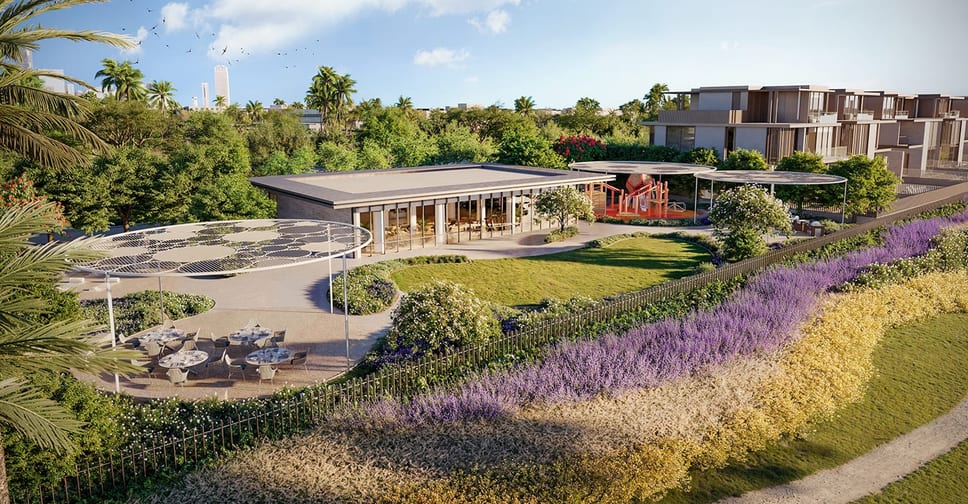 Meraas unveils 97 villas at Nad Al Sheba Gardens and plans for school
 DXB welcomes 50.4 million guests in first 9 months of 2026
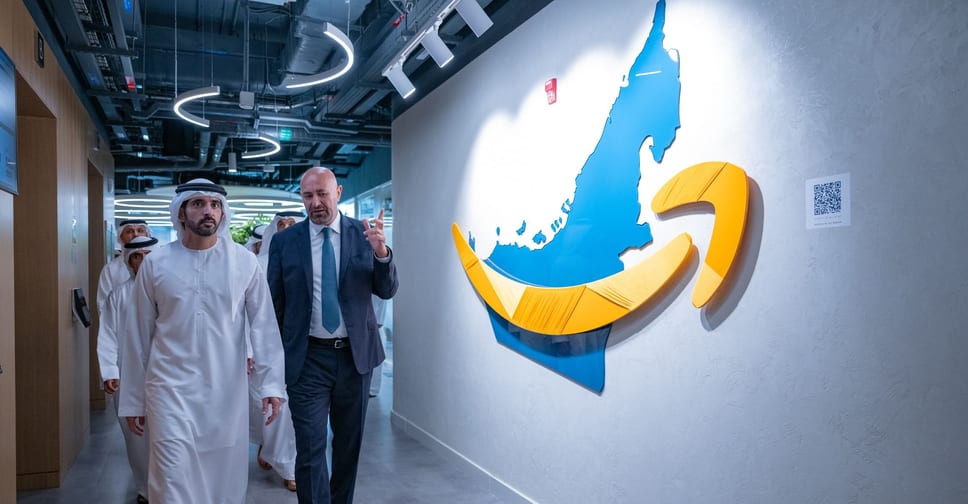 H.H. Sheikh Hamdan visits Amazon's new corporate office in Dubai
 UAE salaries forecast to rise 2.8% in 2027 as hiring outlook improves