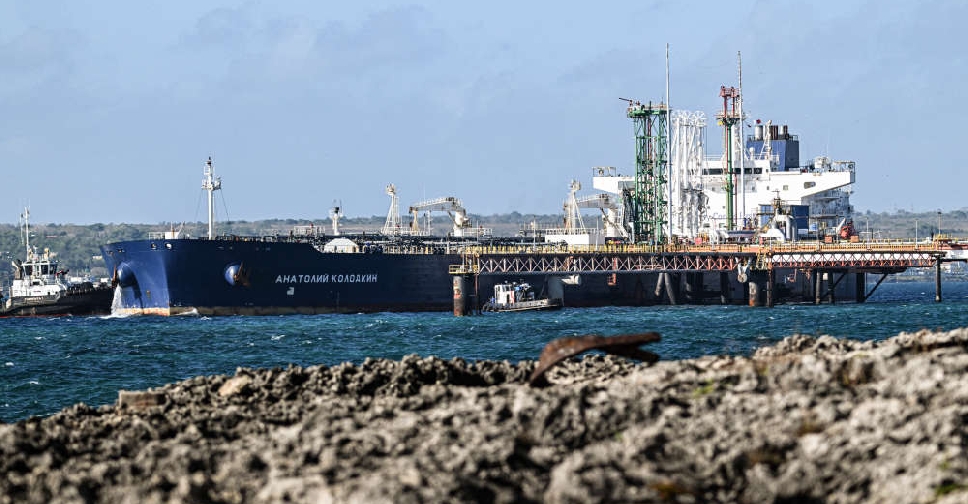
The Trump administration on Friday renewed a waiver allowing countries to buy sanctioned Russian oil and petroleum products at sea for about a month, two days after saying it had no plans to do so.
The Treasury Department posted the license to its website late on Friday, allowing countries to purchase Russian oil loaded on vessels as of Friday through May 16.
The license, part of the administration's effort to control global energy prices that have shot higher during the US-Israeli war on Iran, replaces a 30-day waiver that expired on April 11. It excludes transactions involving Iran, Cuba and North Korea.
On Wednesday, Treasury Secretary Scott Bessent said Washington would not be renewing the waiver for Russian oil and another for Iranian oil, which is set to expire on Sunday.
The Iranian waiver, which the Treasury Department issued on March 20, allowed some 140 million barrels of oil to reach global markets and helped relieve pressure on energy supply during the war, Bessent said last month.
US lawmakers from both political parties had slammed the administration, saying the sanctions waivers stood to help the economies of Iran while it was at war with the US and of Russia as it was at war with Ukraine.
Brett Erickson, a sanctions expert at the consulting firm Obsidian Risk Advisors, said the renewal is likely not the last waiver Washington will issue.
"The conflict has done lasting damage to global energy markets, and the tools available to stabilize them are nearly exhausted," Erickson said.
Russian presidential envoy Kirill Dmitriev had said the first waiver would free 100 million barrels of Russian crude, equal to almost a day's worth of global output.
Though the reprieve on sanctions could temporarily boost world supplies of oil, it has not prevented petroleum prices from spiking due to Iran's partial closure of the Strait of Hormuz, through which about 20% of the world's oil and gas transited before the war.
The waivers could complicate the West's efforts to deprive Russia of revenue for its war in Ukraine and put Washington at odds with its allies. European Commission President Ursula von der Leyen, for instance, has said it is not the time to relax sanctions against Russia.

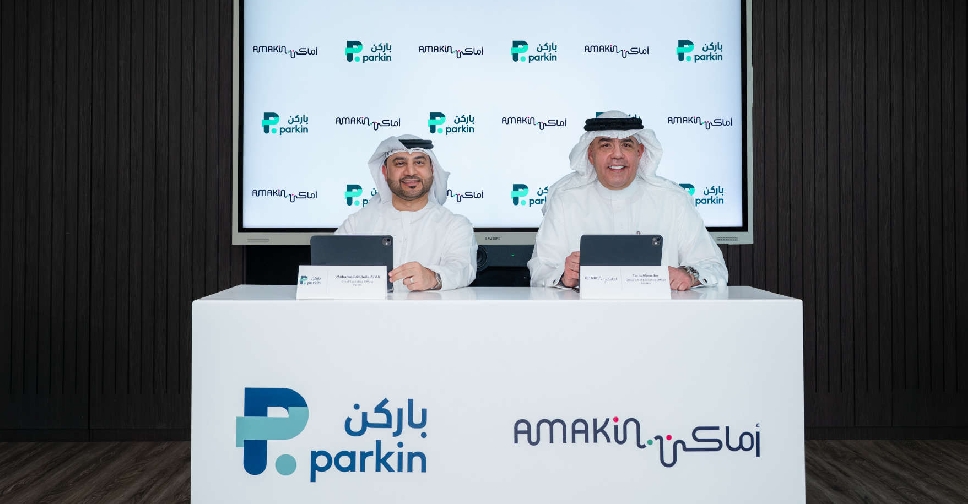 Parkin and Bahrain's Amakin team up on smarter parking solutions
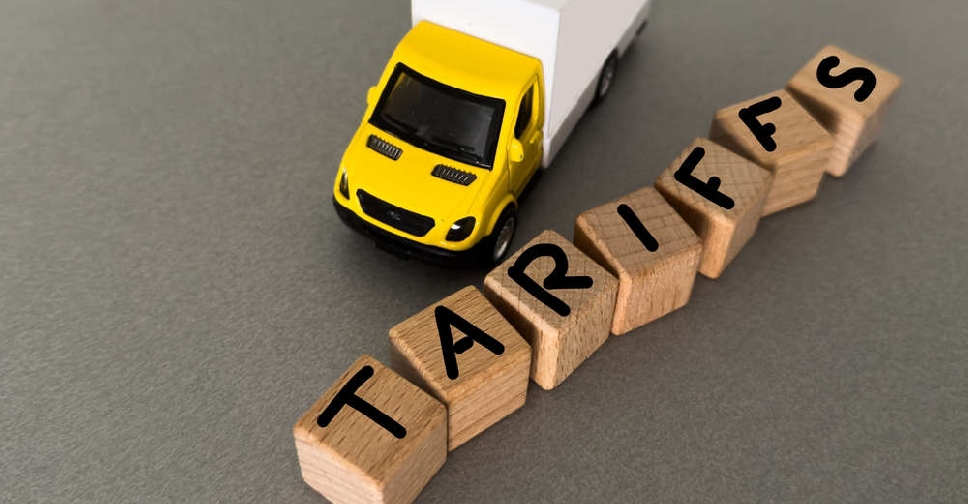 Trump threatens 50% tariffs on all cars and trucks from Canada
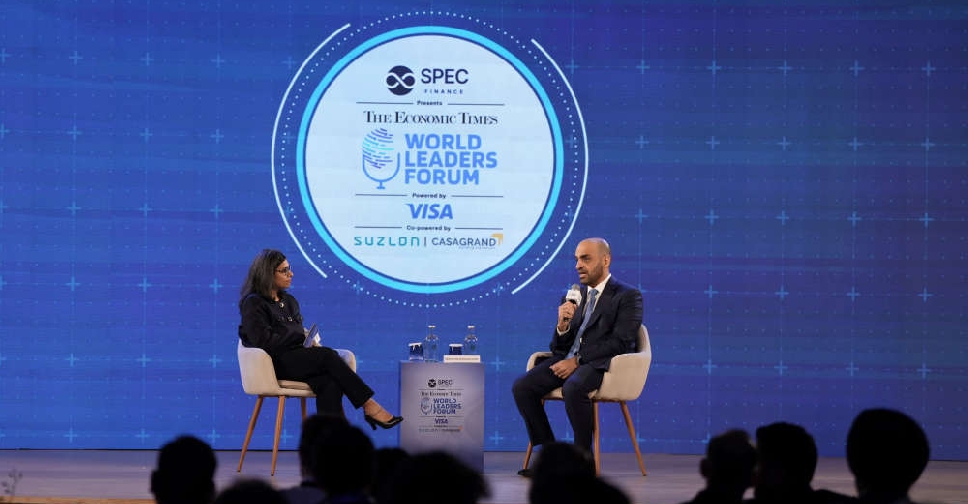 Over 7,000 new Indian companies join Dubai Chamber of Commerce
 Fast-fashion giant Shein shrinks value to up to $27 billion in Hong Kong IPO