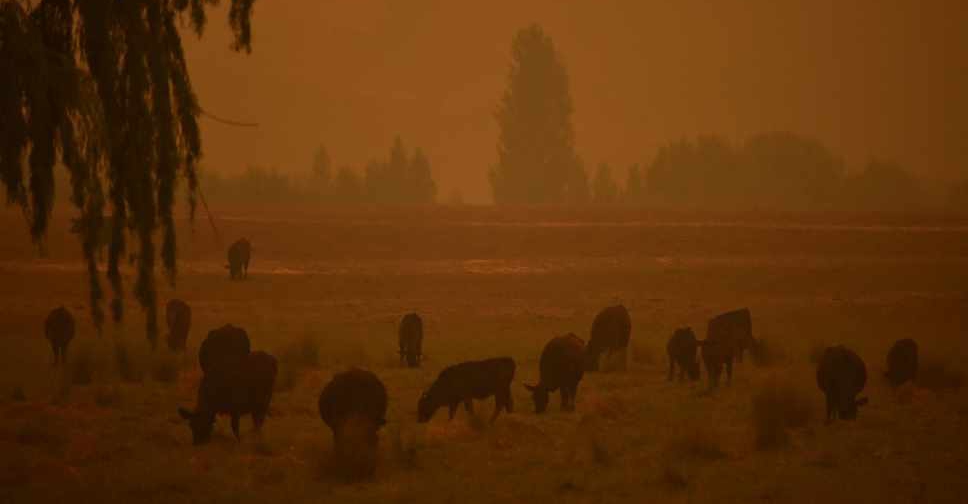
Raging bushfires in Australia could become the norm if adequate action isn't taken to curb greenhouse gases, scientists have warned.
Despite the Australian government downplaying the long-term effects of global climate change, a review of 57 scientific papers published since 2013 suggested otherwise.
"We're not going to reverse climate change on any conceivable timescale. So the conditions that are happening now, they won't go away," Richard Betts, Head of Climate Impacts Research at Britain's Met Office Hadley Centre, who co-authored the review, told a news conference in London.
According to the review, scientists have found an increase in the frequency of "fire weather" not only in Australia, but in the US and Canada, Europe, Scandinavia, the Amazon and Siberia.
It found that globally, fire weather seasons have lengthened across about 25 per cent.
SpaceX's next-generation Starship rocket reached orbit for the first time on Monday despite having one of its engines shut down unexpectedly, overcoming a hitch mid-flight to deploy its first batch of new Starlink satellites in a truncated mission ending hours earlier than originally planned.
British police said on Monday they were investigating whether individuals acting for a foreign state were involved in an apparent plot to attack an airbase used by the United States but said five suspects they had arrested would be released on bail.
Thousands sheltered on Monday in evacuation centres in the Thai capital, parts of it still flooded after havoc brought by intense weekend rain, while swelling reservoirs in an eastern province triggered orders for more to leave their homes.
Heavy rain and storms have triggered floods and landslides that killed 56 people in India, while in Nepal, 14 have died and another 11 are missing, with authorities warning on Sunday that more flash floods are possible.



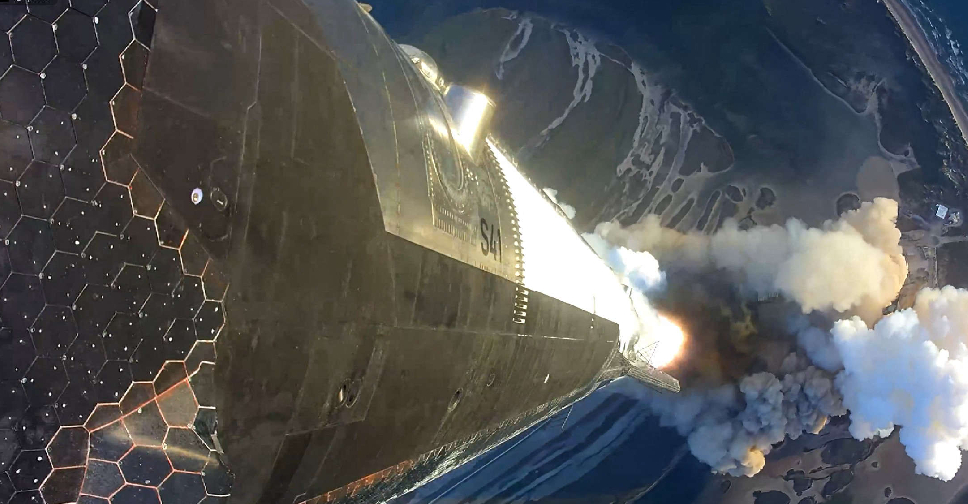 SpaceX's Starship makes orbital debut but flight ends early
 UK police release five on bail after arrests at airbase
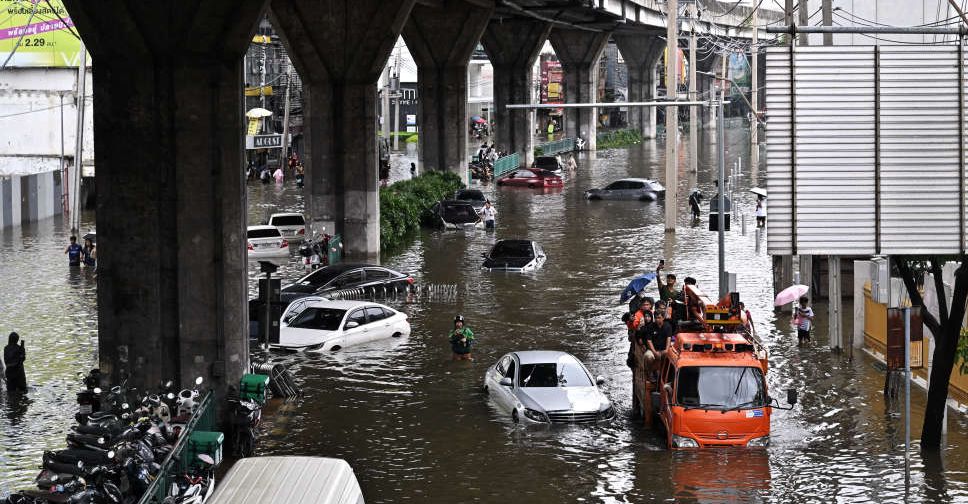 Thousands huddle in Bangkok shelters as Thai flood damages seen at $320 mln
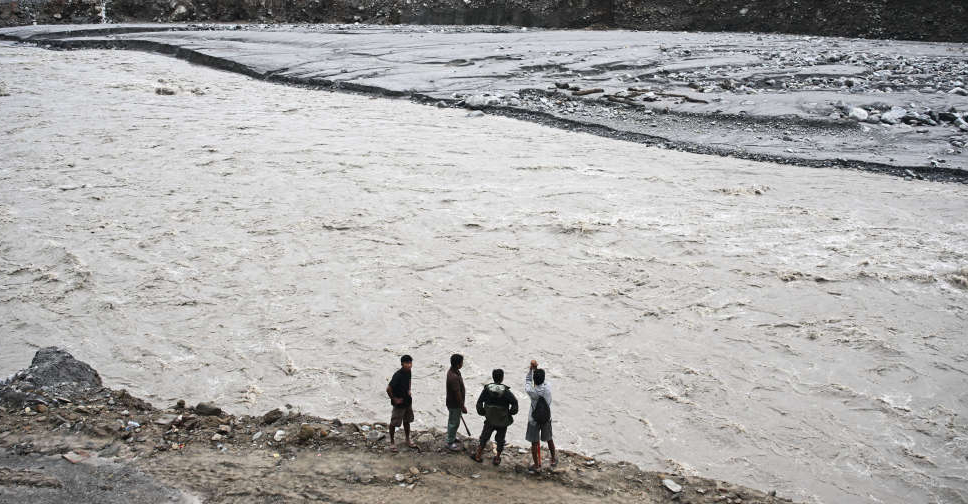 Floods, landslides kill 56 in India and 14 in Nepal