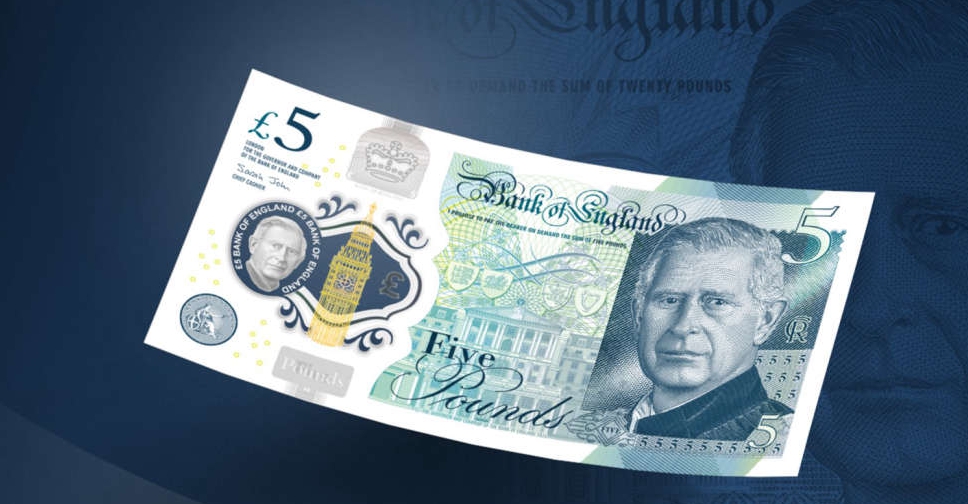
The Bank of England unveiled its first bank notes featuring King Charles on Tuesday, which will enter into circulation from the middle of 2024 to gradually replace those featuring his mother Queen Elizabeth.
Charles became king in September following Queen Elizabeth's death after 70 years on the throne.
The new five, 10, 20 and 50 pound polymer bank notes feature a portrait of Charles on the front, as well as a cameo of him in the bank notes' see-through security window, but are otherwise unchanged from their current designs.
"This is a significant moment, as The King is only the second monarch to feature on our banknotes," BoE Governor Andrew Bailey said in a statement.
Queen Elizabeth first appeared on BoE bank notes in 1960, in contrast to British coins which have long featured images of the country's rulers.
Britain's Royal Mint began issuing the first coins featuring Charles's profile into general circulation on December 8.
The BoE does not intend to withdraw bank notes featuring Queen Elizabeth until they are worn out, so the two types of note will both be in circulation for some years.
A fire that broke out at a textile factory in the Chinese city of Foshan in southern Guangdong province on Sunday has killed eight people and injured one, state news agency Xinhua said on Monday.
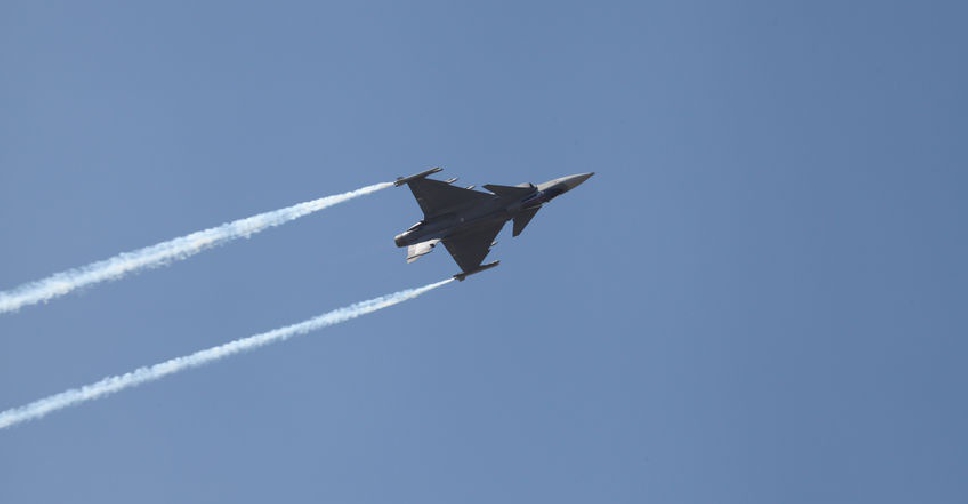
At least three people were killed in Pakistani airstrikes on northeastern Afghanistan on Monday, Afghan officials said, threatening to reignite tensions between the neighbours after nearly three months of relative calm.
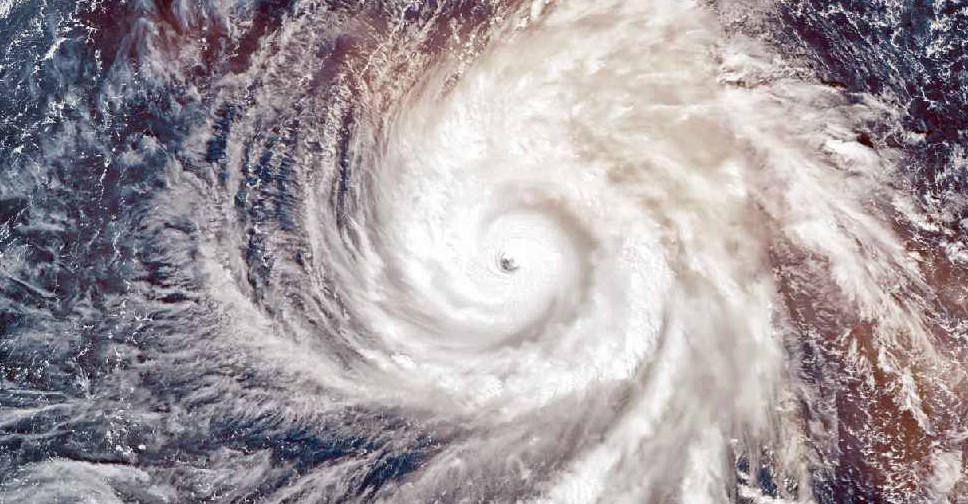
A powerful typhoon was approaching Japan's Pacific coast on Monday, bringing torrential rain, violent winds, and a heightened risk of landslides across the Kanto region and other parts of eastern Japan, the weather agency said.
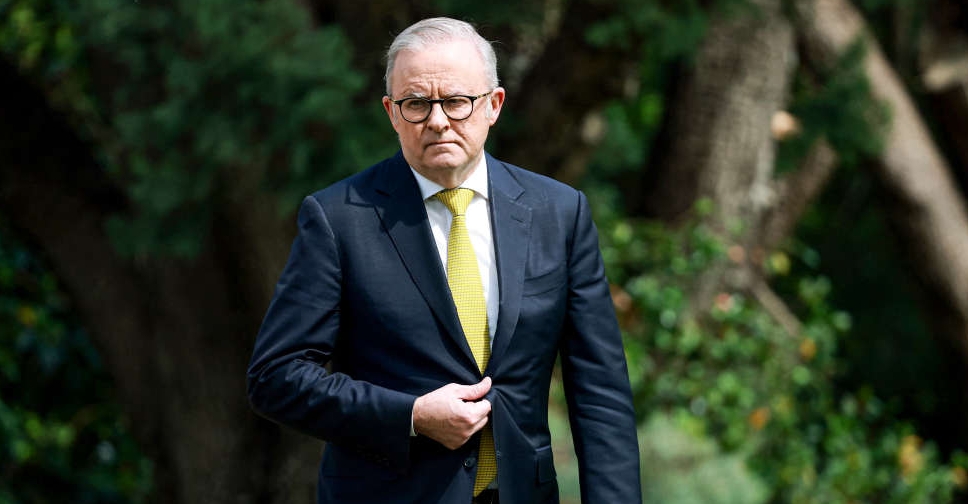
Australia will bid to join the United Nations Security Council from 2029, Prime Minister Anthony Albanese said on Sunday, as he launched a campaign to secure one of the two non-permanent seats available to its bloc.




 Textile factory fire in southern Chinese city of Foshan kills 8
 At least 3 killed in Pakistani airstrike on Afghanistan
 Typhoon approaches eastern Japan, prompts flood and landslide warnings
 Australia to seek UN Security Council seat from 2029