A new study that claims cats can get infected by coronavirus has prompted the World Health Organisation (WHO) to probe further.
According to the study, published on the website of the journal Science, cats are vulnerable to the virus, but dogs, chickens and ducks are not.
Its aim was to identify animals that can be used to test experimental vaccines to fight COVID-19.
Barring a few reported infections in cats and dogs, there isn't enough evidence to prove that pets can be carriers.
The WHO said it will take a closer look at transmission of the virus between humans and pets, and urged people not to retaliate against animals over the outbreak.
"They're beings in their own right and they deserve to be treated with kindness and respect. They are victims like the rest of us," said WHO's top emergencies expert Mike Ryan.
SARS-CoV-2, the scientific term for the virus that causes COVID-19, is believed to have spread from bats to humans.
SpaceX's next-generation Starship rocket reached orbit for the first time on Monday despite having one of its engines shut down unexpectedly, overcoming a hitch mid-flight to deploy its first batch of new Starlink satellites in a truncated mission ending hours earlier than originally planned.
British police said on Monday they were investigating whether individuals acting for a foreign state were involved in an apparent plot to attack an airbase used by the United States but said five suspects they had arrested would be released on bail.
Thousands sheltered on Monday in evacuation centres in the Thai capital, parts of it still flooded after havoc brought by intense weekend rain, while swelling reservoirs in an eastern province triggered orders for more to leave their homes.
Heavy rain and storms have triggered floods and landslides that killed 56 people in India, while in Nepal, 14 have died and another 11 are missing, with authorities warning on Sunday that more flash floods are possible.




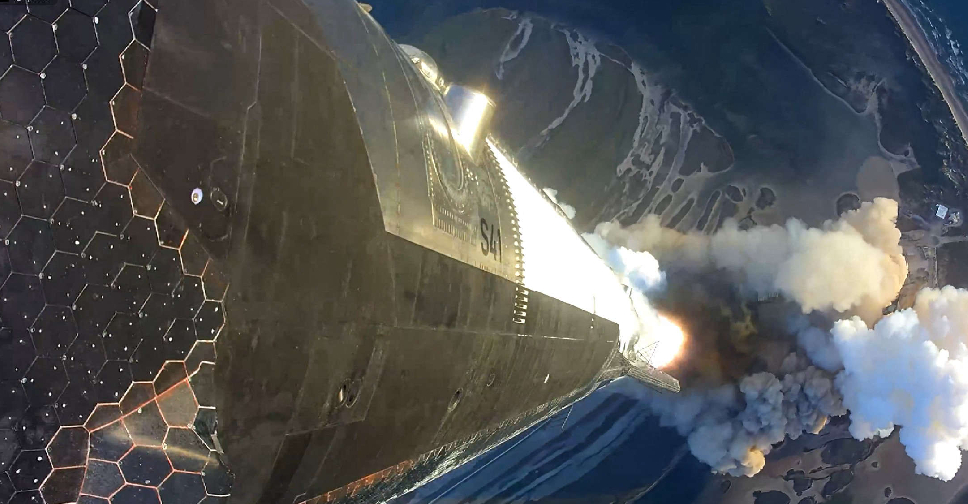 SpaceX's Starship makes orbital debut but flight ends early
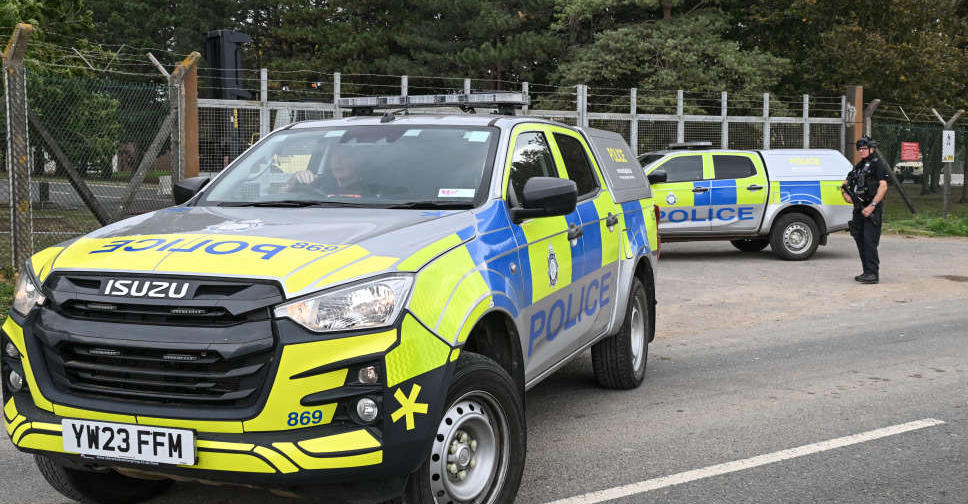 UK police release five on bail after arrests at airbase
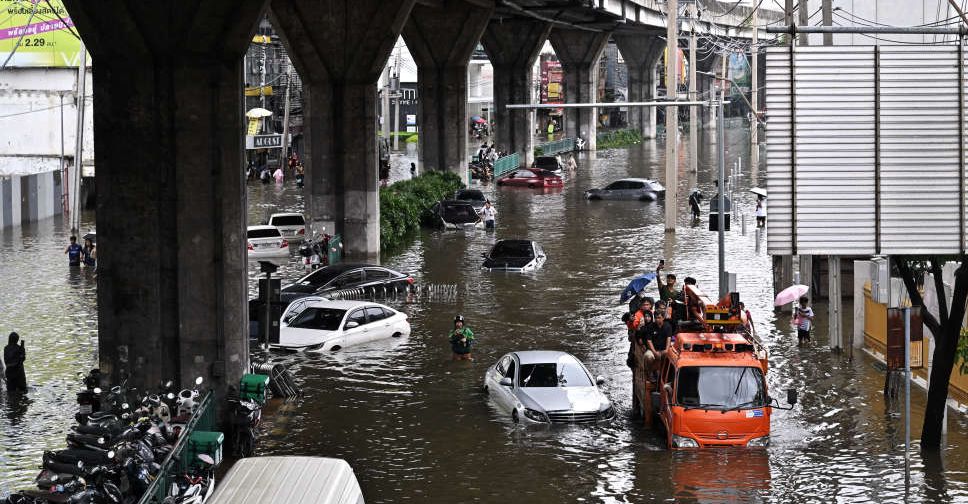 Thousands huddle in Bangkok shelters as Thai flood damages seen at $320 mln
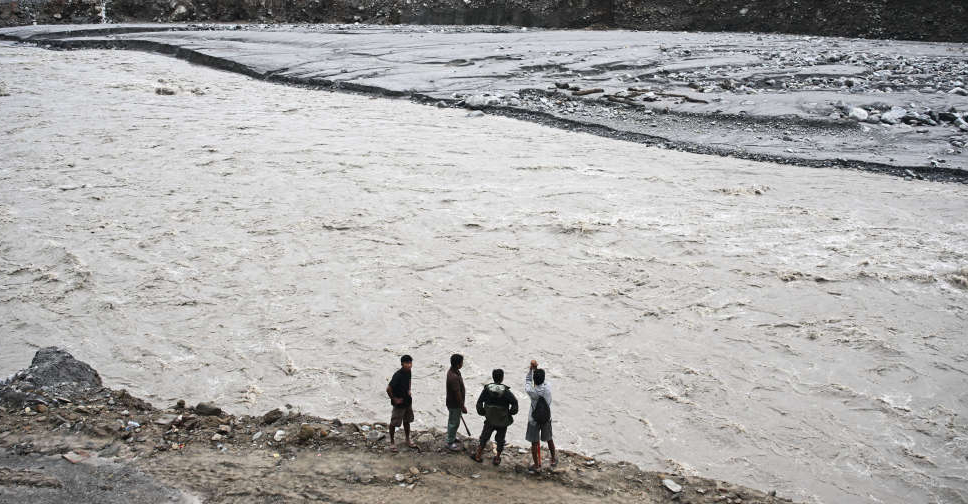 Floods, landslides kill 56 in India and 14 in Nepal