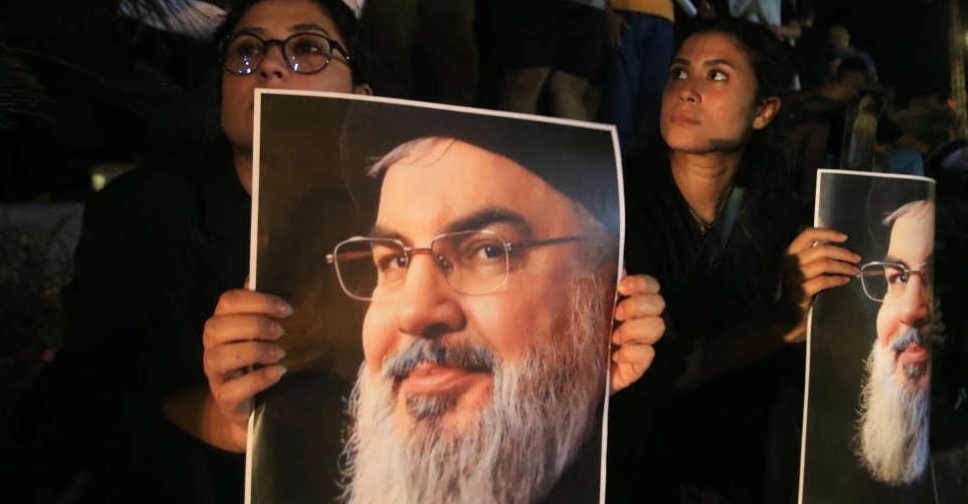
Israel has killed Hezbollah leader Sayyed Hassan Nasrallah in a powerful airstrike in Beirut, dealing a heavy blow to the group as it reels from an escalating campaign of Israeli attacks.
The Israeli military said on Saturday it had eliminated Nasrallah in the strike on the group's central command headquarters in Beirut's southern suburbs on Friday. Hezbollah confirmed he had been killed, without saying how.
Nasrallah's death is a major blow to both Hezbollah and Iran, removing an influential ally who helped build Hezbollah into the linchpin of Tehran's network of allied groups.
Israeli Prime Minister Benjamin Netanyahu described the killing of Nasrallah as a necessary step toward "changing the balance of power in the region for years to come".
US President Joe Biden described Nasrallah's death as a measure of justice for what he called his many victims, including thousands of Americans, Israelis and Lebanese, and said the US fully supported Israel's right to self-defence.
But when asked if an Israeli ground incursion into Lebanon was inevitable, Biden told reporters on Saturday: "It's time for a ceasefire."
A senior member of Iran's Revolutionary Guards, deputy commander Abbas Nilforoushan, was also killed in the Israeli attacks in Beirut on Friday, Iranian media reported.
Sources told Reuters that Iranian Supreme Leader Ayatollah Ali Khamenei had been moved to a secure location in Iran following Nasrallah's killing.
Iran later called for a United Nations Security Council meeting on Israel's actions in Lebanon and elsewhere in the region. It also warned against any attacks on its diplomatic facilities and representatives.
"Iran will not hesitate to exercise its inherent rights under international law to take every measure in defense of its vital national and security interests," Iran's UN ambassador, Amir Saeid Iravani, said in a letter to the 15-member council.
Israeli strikes in Lebanon killed 33 people and wounded 195 others on Saturday, the Lebanese health ministry said.
The strikes continued on Beirut's southern suburbs throughout the early evening on Saturday, according to a Reuters live broadcast, sending large clouds of smoke over the city.
One Israeli strike hit an industrial area 500 metres from Beirut airport buildings, a security source told Reuters. The airport continued to operate normally, according to Middle East Airlines boss Mohammad al-Hout.
More than 1,000 people have been killed and more than 6,000 wounded as a result of Israeli attacks in the past two weeks, the health ministry said, and about one million Lebanese have been displaced by the strikes, including hundreds of thousands since Friday, Nasser Yassin, the minister coordinating the government's crisis response, told Reuters on Saturday.
Israel said it killed a senior Hezbollah intelligence official in a strike on southern Beirut, naming him as Hassan Khalil Yassin. Hezbollah has made no mention of this.
In Israel, air raid sirens sounded across the centre of the country - including Tel Aviv - and large bangs were heard after a missile was fired from Yemen and intercepted, according to the Israeli military.
A projectile fired from Lebanon crashed in the occupied West Bank, sparking fires, the Israeli military said. There were no casualties, according to the Israeli ambulance service.
Hezbollah said in a statement that it would continue its battle against Israel "in support of Gaza and Palestine, and in defence of Lebanon and its steadfast and honourable people".
Iran's Khamenei said Nasrallah's death would be avenged and his path in fighting Israel would be pursued by other militants.
Lebanon's caretaker Prime Minister Najib Mikati said his country was facing the threat of danger, without mentioning the death of Nasrallah. His office later announced three days of mourning for the Hezbollah chief.

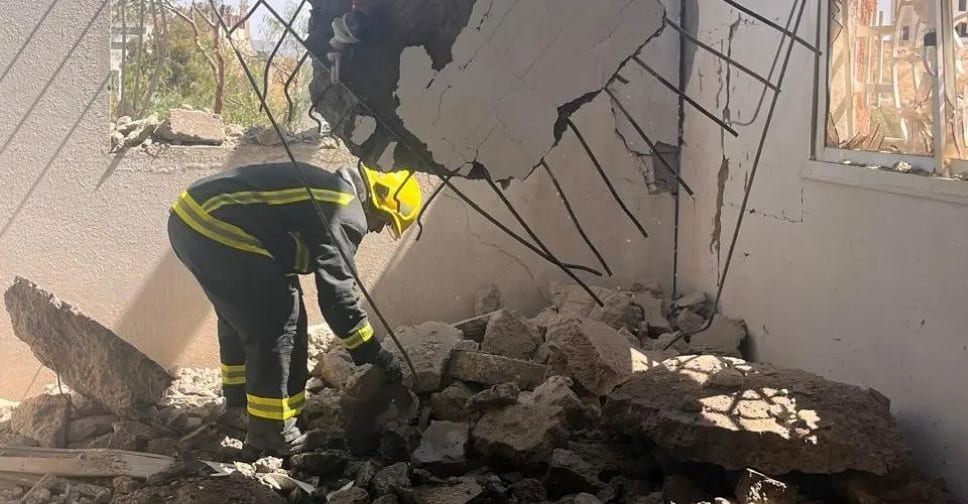 Two injured from falling debris as missiles intercepted in Saudi Arabia
 Riyadh airport to designate terminals for flights from October 25
 Saudi Arabia intercepts, destroys drones, missiles targeting different regions
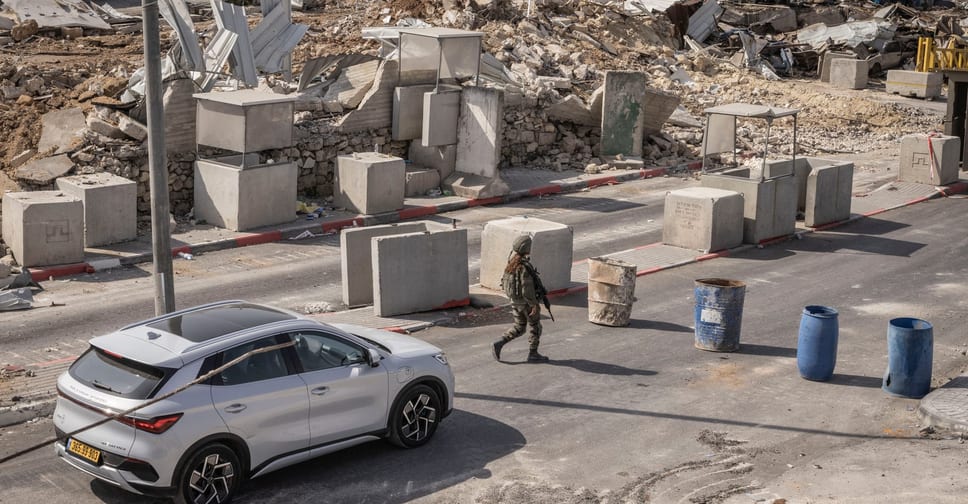 Around 1,200 Palestinians displaced in Hebron as Israel begins military operation