
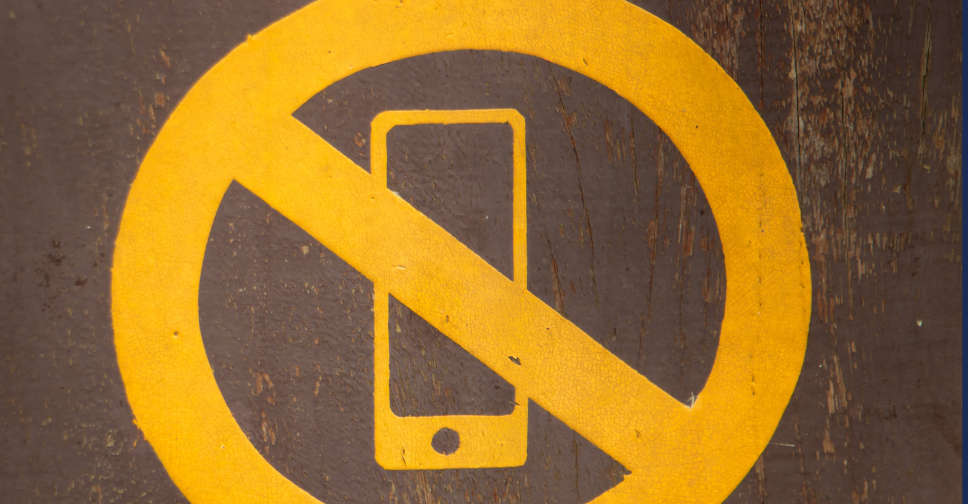
Mexico has unveiled nationwide rules restricting cellphone use in schools for younger students from bell to bell on Tuesday, as concern grows over the effects of screen time on children.
The measure, which takes effect on November 3, applies across the public education system and restricts cellphone and tablet use in primary and secondary schools.
It places Mexico among a growing number of countries trying to draw clearer boundaries around children's access to cellphones and social media, as governments worldwide debate new limits on technology use in schools and online.
Mexico's President Claudia Sheinbaum announced on Monday that state education officials had reached a consensus on the measure.
She said high schools would set their own limits to ensure devices are used safely and responsibly for educational purposes, and that universities would be encouraged to promote responsible use "for digital citizenship grounded in ethics and critical thinking".
"This agreement is a fundamental step toward safeguarding the rights of children, adolescents and young people by promoting their mental health, learning and overall development, while strengthening attention, human interaction and community," Education Minister Mario Delgado said.
Australia last year became the first country to ban social media for children under 16, with several other countries following in 2026.
Meta Platforms agreed in August to pay up to $18 billion over the next decade and impose strict limits on teenagers' use of Facebook and Instagram to resolve claims that it designed the platforms to addict children.

 COP31 climate talks break down as EU, others reject deal
 Indonesia factory fire search to resume Monday as 24 body bags recovered
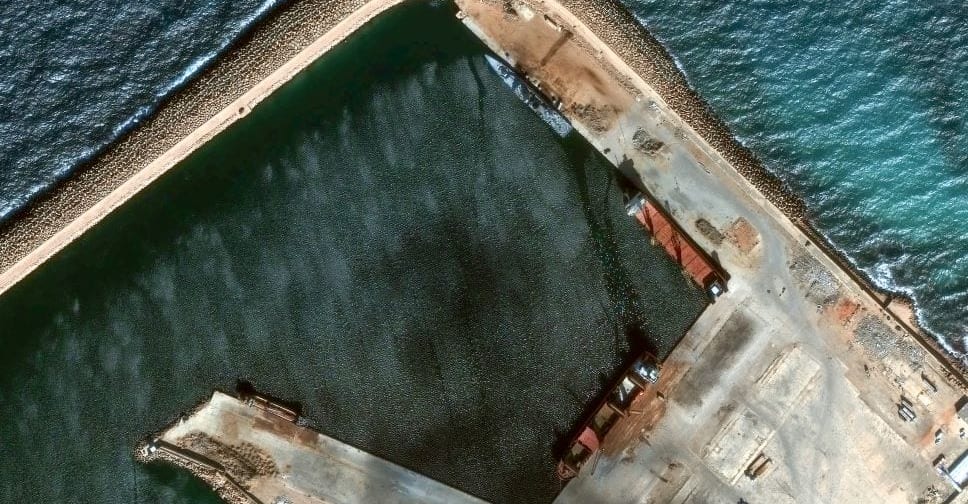 Libya suspects drone attack caused Benghazi ship explosion
 India food regulator to take Bisleri to court over unsafe water sample