

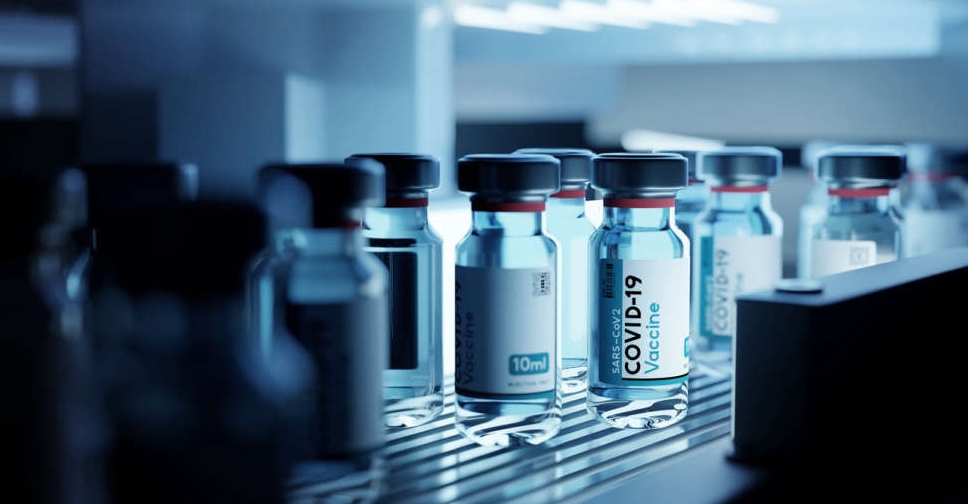
A mixed vaccination of first AstraZeneca and then a Pfizer COVID-19 shot boosted neutralising antibody levels by six times compared with two AstraZeneca doses, a study from South Korea showed.
The study involved 499 medical workers - 100 receiving mixed doses, 200 taking two doses of the Pfizer/BioNTech shot and the remainder getting two AstraZeneca shots.
All showed neutralising antibodies, which prevent the virus from entering cells and replicating, and the result of the mixed schedule of vaccines showed similar amounts of neutralising antibodies found from the group that received two Pfizer shots.
A British study last month showed similar results - an AstraZeneca shot followed by Pfizer produced the best T-cell responses, and a higher antibody response than Pfizer followed by AstraZeneca.
The data provides further support for the decision of several countries to offer alternatives to AstraZeneca as a second shot after the vaccine was linked to rare blood clots.
The South Korean study also analysed neutralising activity against major variants of concern, the Korea Disease Control and Prevention Agency (KDCA) said.
None of the groups demonstrated reduced neutralising activity against the Alpha variant, first identified in Britain, but the neutralisation titre decreased by 2.5 to 6 fold against Beta, Gamma and Delta, first detected in South Africa, Brazil and India respectively.


 Australia to seek UN Security Council seat from 2029
 Indonesia continues search for hundreds missing in capsized ship
 Police arrest Pakistan ex-PM Imran Khan's sister in Lahore
 Trump to use Washington triumphal arch as military complex