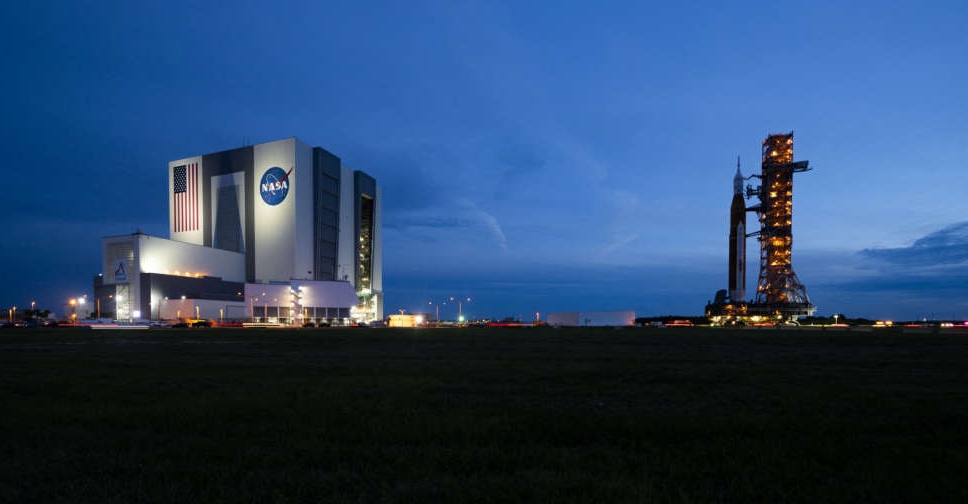
NASA is targeting November 14 for its next attempt to launch Artemis I, after technical difficulties and bad weather forced it to delay the first uncrewed test flight of a capsule to carry humans back to the moon.
The next attempt to launch the Space Launch System rocket that will carry the Orion spacecraft is planned during a 69-minute window that opens at 12:07 am EST (4:07 am GMT) on Wednesday, November 14, NASA said on its website.
The agency plans to roll the rocket back to the launch pad as early as Friday, November 4.
A stubborn fuel leak and the arrival of Hurricane Ian forced NASA to delay the launch of the uncrewed test flight over the last five weeks.
The Artemis I mission signals a major turning point for NASA's post-Apollo human spaceflight programme, after decades of focusing on low-orbit missions with space shuttles and the International Space Station.
Named for the goddess who was Apollo's twin sister in ancient Greek mythology, Artemis aims to return astronauts to the moon's surface as early as 2025, though many experts believe that time frame will likely slip.
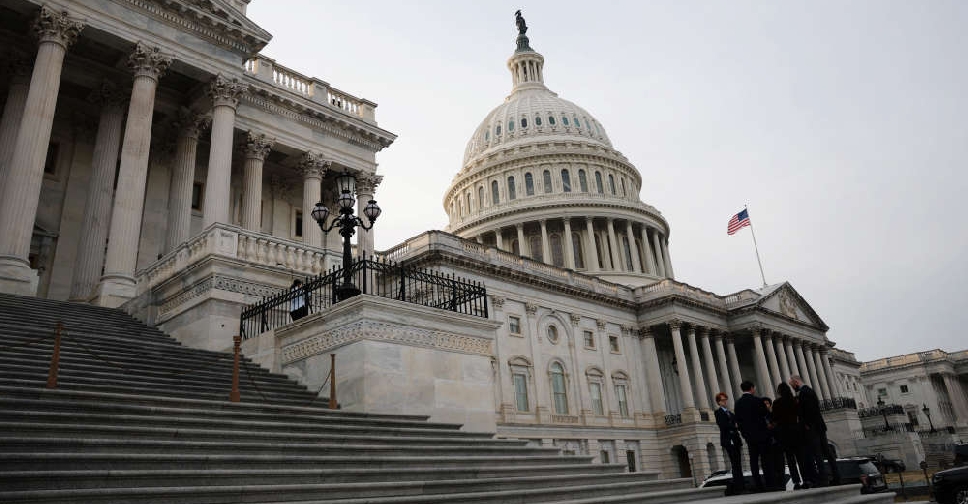
The US House of Representatives rejected an effort on Thursday to stop President Donald Trump's air war on Iran and require that any hostilities against Iran be authorized by Congress, backing the Republican president's military campaign.
Foreign ministers from the Gulf Cooperation Council (GCC) and the European Union have strongly condemned the Iranian attacks targeting GCC states, calling them a direct threat to regional and global security.
US President Donald Trump claimed the right to join Iran in deciding its next leader as the war escalated, with US and Israeli jets hitting areas across the country and Gulf cities coming under renewed attack.
British Prime Minister Keir Starmer said on Thursday that four additional Typhoon fighter jets would be sent to Qatar amid the ongoing regional developments, insisting that the UK has the right plan for defence.




 US House rejects war powers resolution, backs Trump on Iran war
 GCC and EU ministers urge immediate halt to Iranian attacks
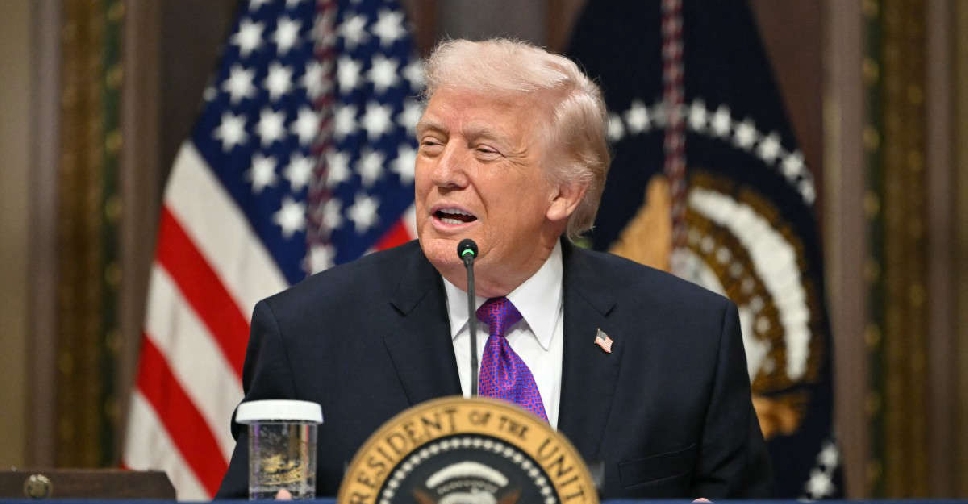 Trump wants say on Iran's next leader
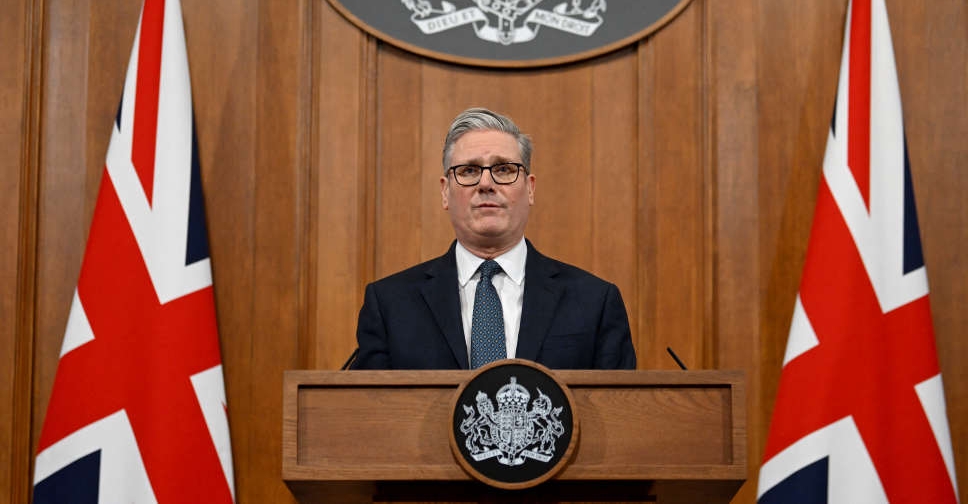 British PM Starmer to send four Typhoon jets to Qatar