
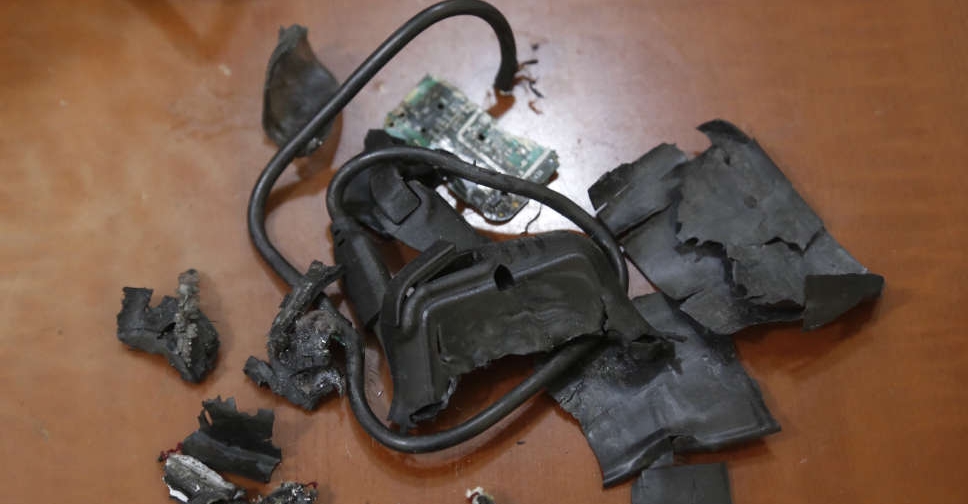
Prime Minister Benjamin Netanyahu confirmed on Sunday that he authorised the deadly attack on Hezbollah communications devices in Lebanon in September.
This confirmation by the Israeli PM marked the first time Israel has publicly admitted to being behind the operation. Lebanon has always accused Israel of being behind the attack, but they neither confirmed or denied their involvement until now.
The attack, which targeted Hezbollah’s pager system, resulted in explosions that killed 39 people and wounded approximately 3,000, occurring over two consecutive days in supermarkets, streets, and funerals.
The operation preceded Israel's ongoing military actions in Lebanon, which escalated in late September following Hezbollah’s strikes on Israel, supporting Hamas after the October 7 attack on Israel.
Since then, violence has intensified, with Israel launching airstrikes and sending ground troops into southern Lebanon.

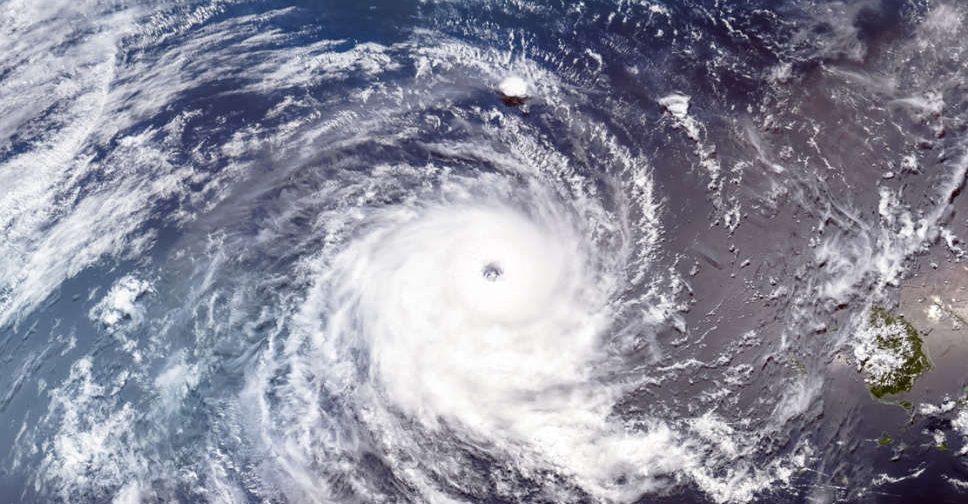 India to evacuate thousands as Cyclone Arnab nears eastern coast
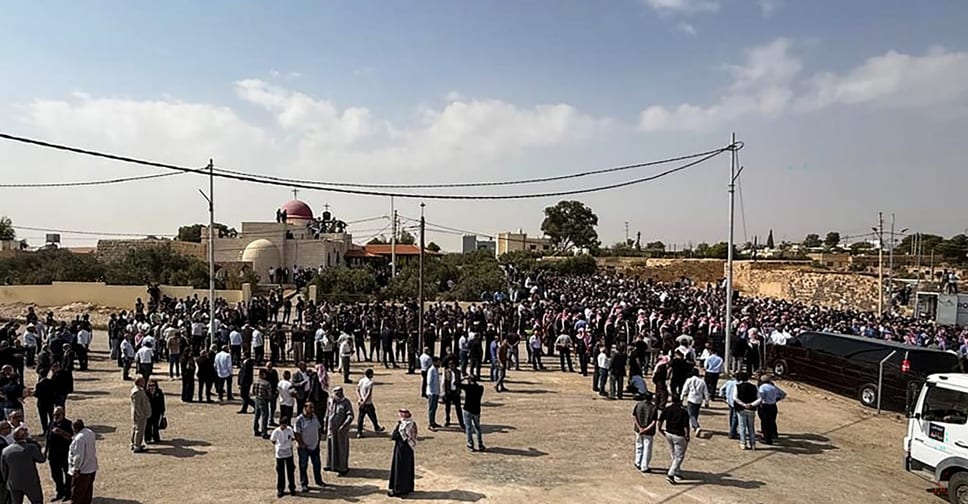 Jordan arrests 3 over Karak church attack, state TV says
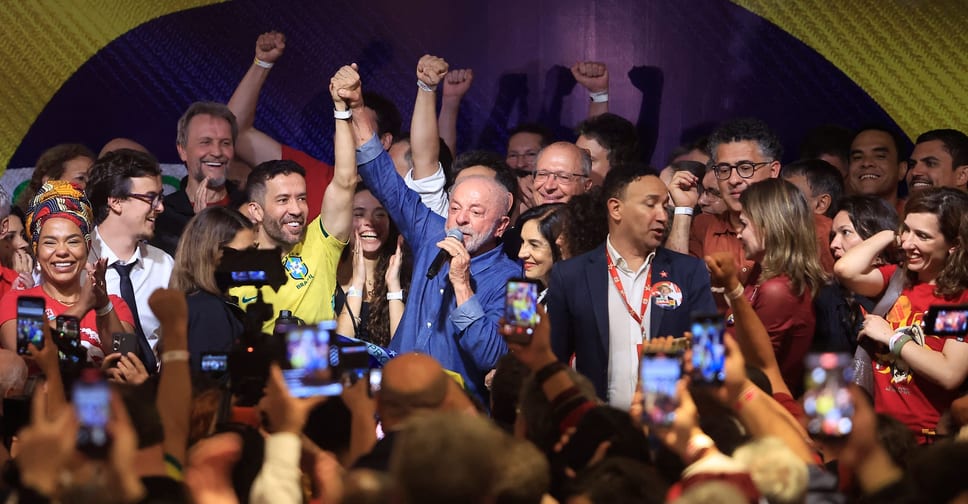 Brazil's working class president Lula wins historic fourth term
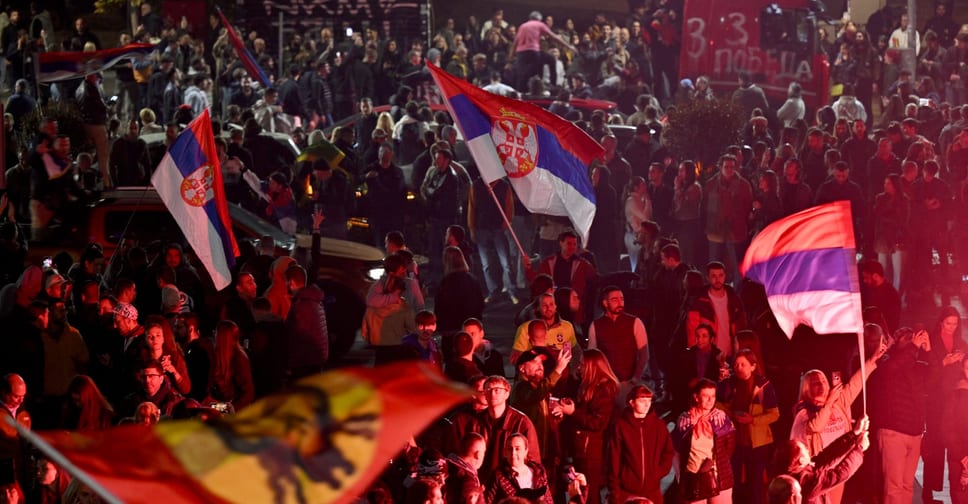 Serbia's Vucic concedes defeat in historic election win for student protest movement