

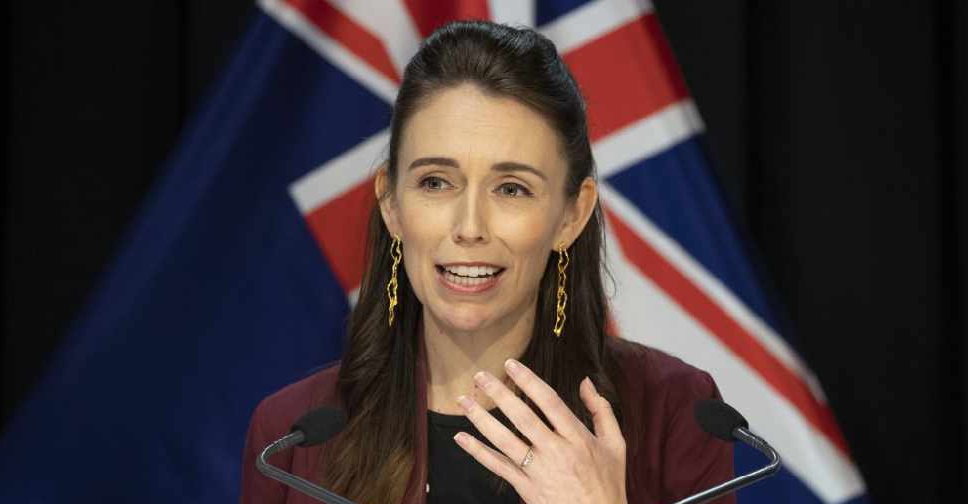
Support for New Zealand's Prime Minister Jacinda Ardern has spiked in July, keeping her Labour party on track to win a general election in September.
That's according to the 1 NEWS Colmar Brunton Poll, which showed Labour's popularity at 53 per cent, a rise of 3 percentage points from late June.
If repeated in the elections, that would allow the party to govern on its own rather than in coalition.
The opposition National party lost 6 percentage points to 32 per cent, after a series of scandals and a change of leader.
Support for incoming Nationals chief Judith Collins rose to 20 per cent on a preferred prime minister basis, far higher than previous party leaders, but still well behind Ardern, whose popularity was steady at 54 per cent.
A Nationals lawmaker resigned this month after being accused of sending a sexually explicit image to a young woman, while another resigned after admitting to leaking the names of coronavirus patients to media.
A Newshub-Reid Research Poll released on Sunday showed Labour popularity rose to 60.9 per cent, its highest in the poll's history.


 Hezbollah warns Israeli residents to evacuate towns near border
 US House rejects war powers resolution, backs Trump on Iran war
 GCC and EU ministers urge immediate halt to Iranian attacks
 Indonesia says it will withdraw from Board of Peace if it does not benefit Palestinians