

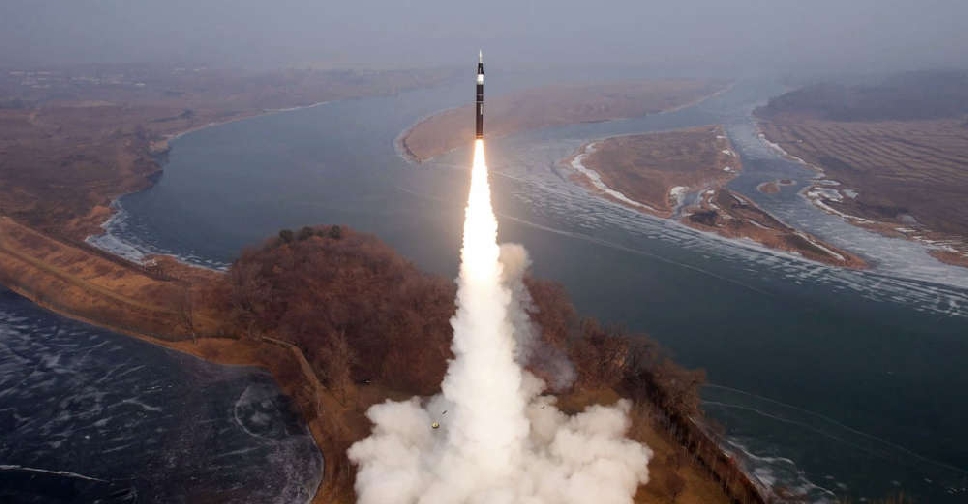
North Korean leader Kim Jong Un oversaw a successful test of a new intermediate-range hypersonic ballistic missile (IRBM), state media KCNA said, pledging to accelerate the country's nuclear and missile capabilities.
It was North Korea's first missile launch since November 5, and coincided with a visit to South Korea by US Secretary of State Antony Blinken, in which he pledged bilateral and trilateral cooperation, including with Japan, to respond to Pyongyang's growing military threats.
The test occurred less than two weeks before US President-elect Donald Trump, who held unprecedented summits with Kim during his first term and has touted their personal rapport, returns to office.
The missile was fired from the outskirts of Pyongyang and flew about 1,500 km at 12 times the speed of sound, reaching an altitude of nearly 100 km before descending to a "second peak" of 42.5 km and manoeuvring to an accurate landing on a target off the east coast, KCNA said.
South Korea's military said the KCNA report was most likely exaggerated, estimating the range at around 1,100 km and saying there was no second peak detected, though detailed analysis would be conducted with the United States. A "second peak" would imply the missile could change course and maintain altitude rather than descending on a ballistic trajectory.
New carbon fibre composite materials were used in the missile's engine section, KCNA said; carbon fibre is lighter and stronger than other aerospace materials such as aluminium, but is more difficult to manufacture. KCNA said the missile could "effectively penetrate any dense defence barrier and inflict a serious military blow on the opponent," it said.
Kim hailed the missile as a powerful weapon against security threats posed by hostile forces and the changing regional environment.
KCNA released photos of Kim monitoring the launch via teleconference alongside his young daughter, and a missile lifting off from a field.
"The development of new-type hypersonic missile is mainly aimed to steadily put the country's nuclear war deterrent on an advanced basis," he said, according to KCNA.
Blinken condemned and South Korean Foreign Minister Cho Tae-yul condemned the launch, and warned of Pyongyang's deepening ties with Moscow, including illicit cooperation on space and satellite technology.
North Korea has been developing a new solid-fuel IRBM amid an intensifying race for the next generation of long-range rockets that are difficult to track and intercept.
Last year's tests featured a new solid-fuel design and carried what Pyongyang said was a hypersonic glide vehicle, a warhead designed to be able to manoeuvre and evade missile defences.
Lee Sung-jun, a spokesman for South Korea's military, said that the latest launch appeared to be an extension of last year's test.

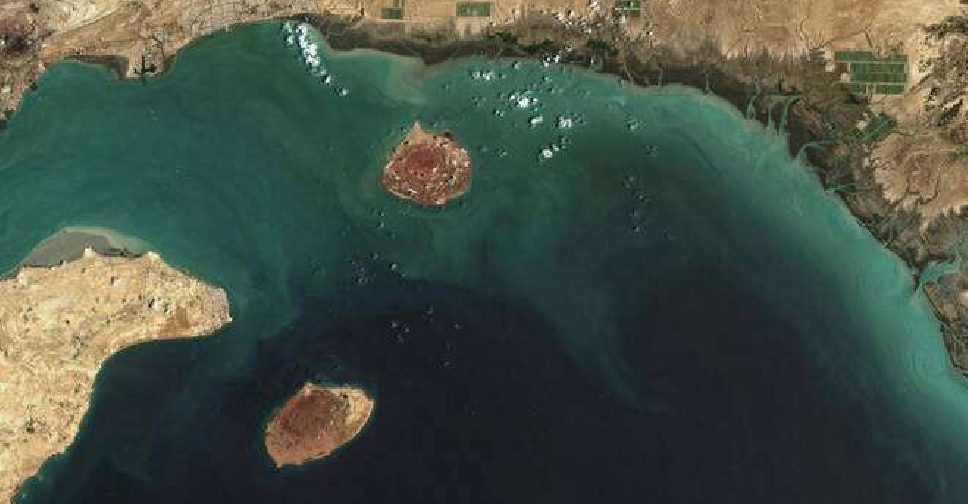 US strikes Iranian launchers on Larak Island
 Jordan intercepts eight missiles in airpace
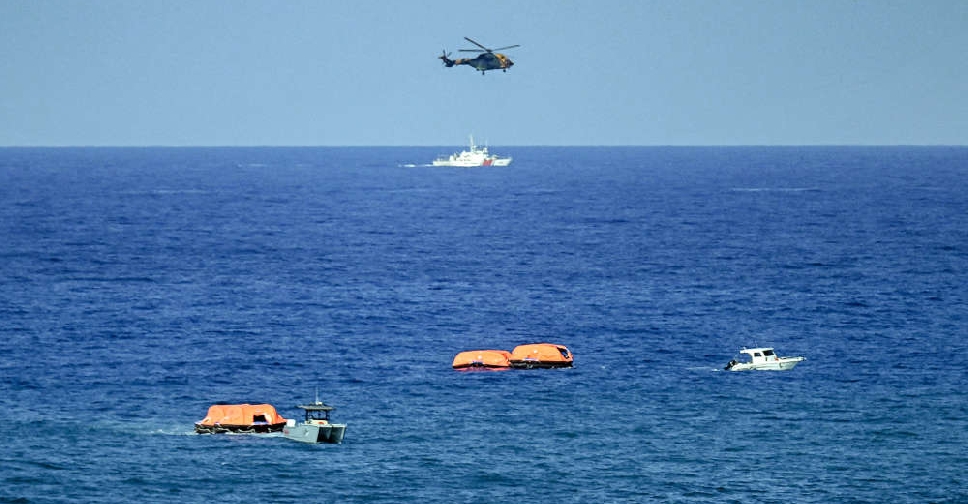 At least eight die, 18 missing after ferry capsizes off North Cyprus
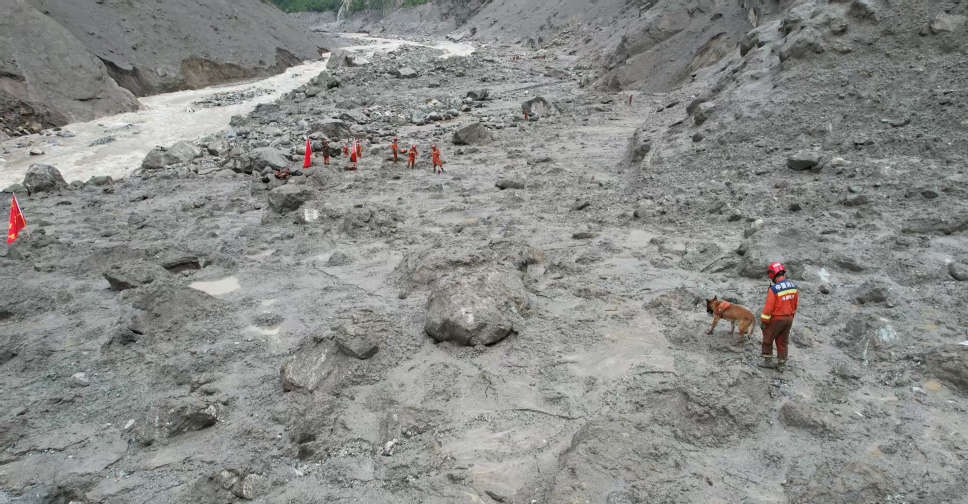 Rescuers battle floods and debris as Himalayan disaster death toll nears 800