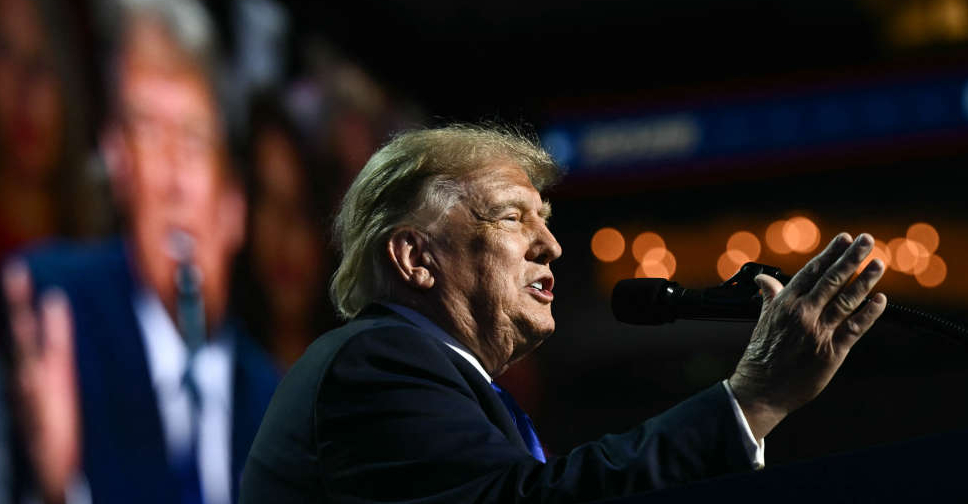
President Donald Trump said he expected the war with Iran to end after the November US midterm elections after the two sides launched their biggest wave of attacks on shipping since the start of the six-month-old war.
Tensions in the region were high, with Saudi civil defence authorities on Thursday issuing emergency alerts in the southwest city of Khamis Mushait for the fourth time in 24 hours, as clashes flared with Houthi rebels.
Brent crude prices hovered above $100 a barrel as supply routes through both the Strait of Hormuz and the Red Sea remained heavily disrupted.
The war and subsequent increase in fuel prices have helped drive Trump's popularity to record lows. The president said Tehran was trying to influence the November US midterm elections, which will determine whether his Republican Party retains control of Congress.
"I think war is going to end immediately after the election because they can't hold out any longer. They're desperate to try and affect the election," Trump told reporters on Wednesday.
Trump has previously set deadlines for the war to end.
The Wall Street Journal reported later that top White House advisers, including Vice President JD Vance and Secretary of State Marco Rubio, have privately warned Trump that the conflict could extend through the remainder of his presidency, which ends in January 2029. Reuters could not immediately verify the report.
Trump also said the US may hit Iran's Pickaxe Mountain, a heavily fortified site that hosts two deeply buried tunnel complexes near Iran's damaged Natanz uranium enrichment facility.
Trump has been threatening strikes on Pickaxe Mountain since at least mid-July.
The US and Israel launched military strikes on Iran in February partly due to concerns over Tehran's nuclear programme.
Iran says its nuclear activities are for peaceful purposes.
In recent weeks Washington had cited increasing success guiding tankers through the Strait of Hormuz, which carried about a fifth of oil supplies before the war. But a resumption of fighting this month appears to have set back any such gradual reopening. Just seven vessels transited the strait on Wednesday, half the 10-day average, preliminary ship-tracking data showed on Thursday.

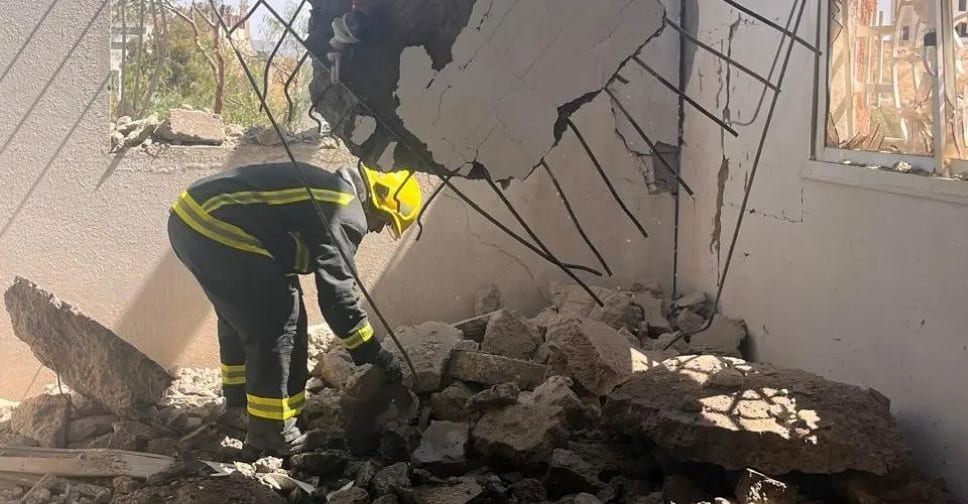 Two injured from falling debris as missiles intercepted in Saudi Arabia
 Riyadh airport to designate terminals for flights from October 25
 Saudi Arabia intercepts, destroys drones, missiles targeting different regions
 Around 1,200 Palestinians displaced in Hebron as Israel begins military operation