

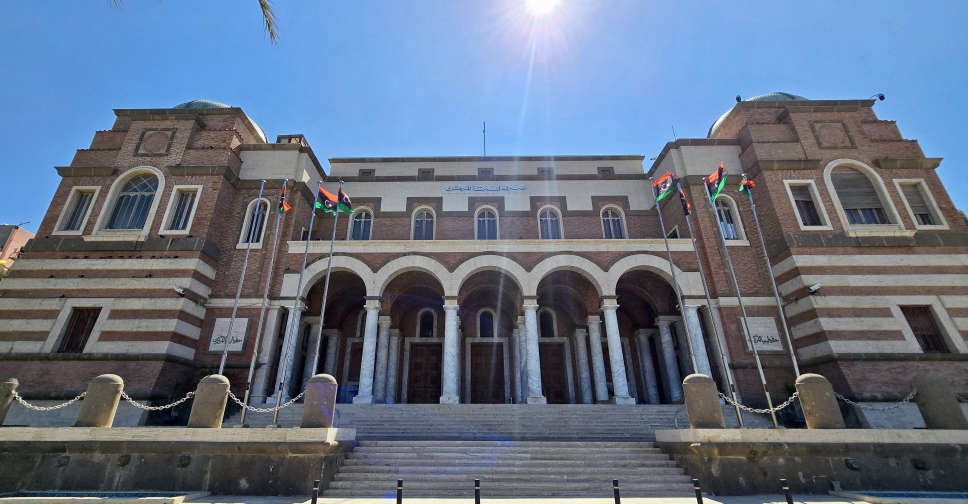
The United Nations Support Mission in Libya (UNSMIL) said it held talks in Tripoli to help resolve a central bank crisis on Monday that sparked a blockade of oil production and threatens the worst crisis in years for the major energy exporter.
The standoff was triggered when Western Libya factions moved to oust Central Bank governor Sadiq al-Kabir, leading Eastern factions to shut down all oil production.
In its statement, UNSMIL said the consultations were concluded with 'significant' understanding and the two sides agreed to submit a draft agreement to their respective chambers for review, with the goal of finalising and signing the agreement on Tuesday.
Oil prices edged higher on Monday, recovering some losses from late last week, as Libyan oil exports remained halted and concerns about higher OPEC+ production from October eased.
Representatives from Libya's House of Representatives and High Council of State on one side and the Presidential Council on the other participated in the talks hosted by UNSMIL which lasted from morning until late into the night, the statement said.
Libya's central bank (CBL) is the sole legal repository for Libyan oil revenues and it pays state salaries across the country. If those functions are compromised by the current crisis, Libyans will soon feel the pinch.
If the struggle for control is prolonged, all state salaries, transfers between banks and letters of credit needed for imports will become impossible, freezing up the economy and Libya's international trade.
Eastern factions, including the House of Representatives (HoR) parliament led by speaker Aguila Saleh and the Libyan National Army (LNA) under commander Khalifa Haftar, oppose the Tripoli-based Presidency Council's bid to oust CBL governor al-Kabir.
The eastern side's oil blockade will gradually starve the CBL of new funds, as well as reducing condensate available for power plants, meaning long electricity blackouts may soon return.
As a result of the oilfields closures, the state-owned National Oil Corporation (NOC) said total production had plunged to just over 591,000 bpd by August 28 from nearly 959,000 bpd on August 26, amounting to losses of over $120 million (AED 440 million) over the three days. Production was at about 1.28 million bpd on July 20, NOC said.
The crisis threatens to end a four-year period of relative peace in the OPEC member that for a decade has been split between eastern and western factions that have drawn backing from Russia and Turkey, respectively.
As the state crumbled between rival factions, the CBL and National Oil Corporation (NOC), the state energy producer, were held off limits, ensuring some governmental functions continued.

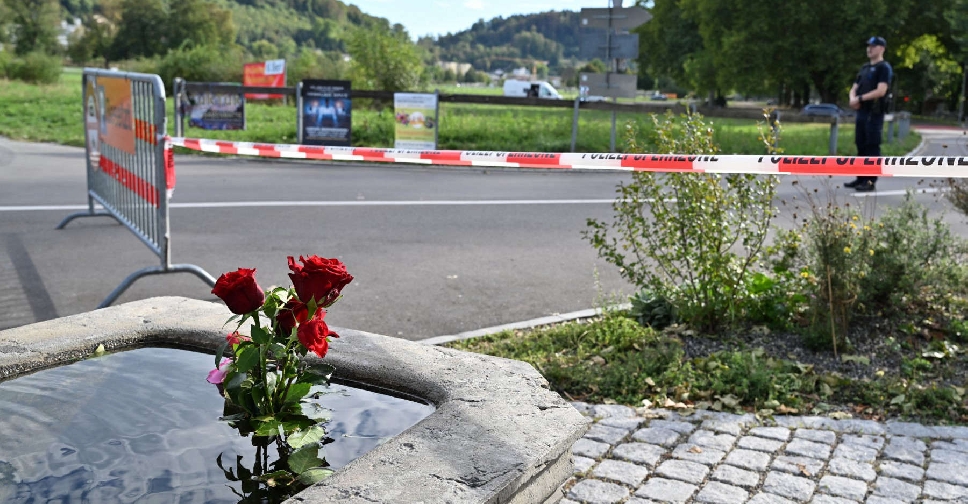 Swiss police arrest suspect after deadly rave shooting
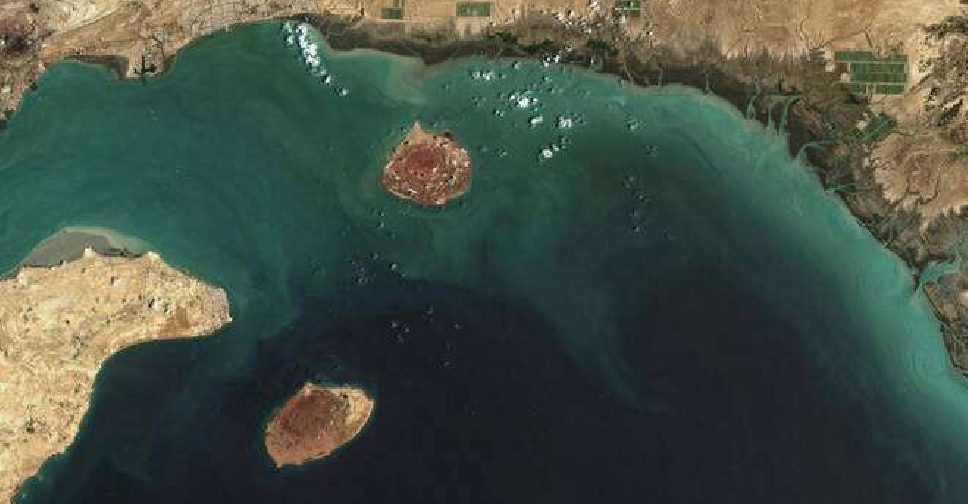 US strikes Iranian launchers on Larak Island
 India must uphold water-sharing treaty with Pakistan, international court says
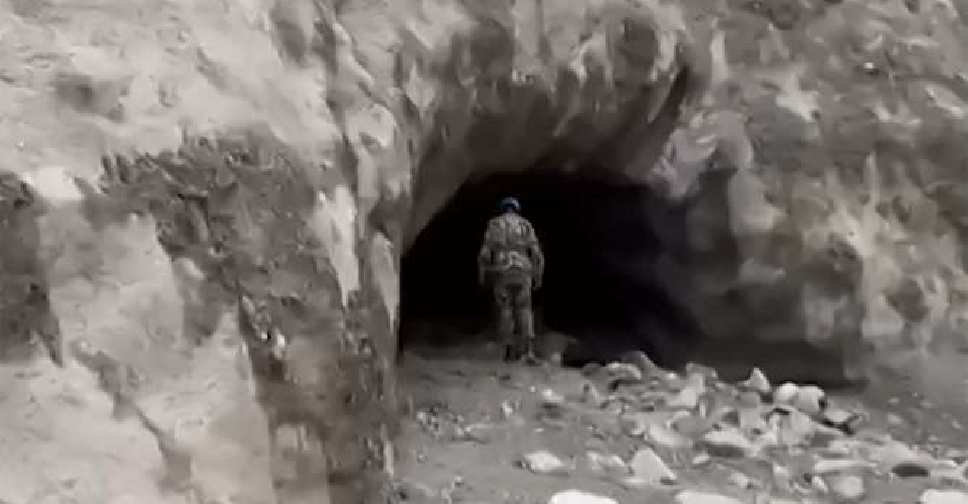 Nepal teams seek hundreds trapped in hydropower tunnels after deadly floods