

The United States and Iran agreed to a two-week ceasefire brokered by Pakistan, potentially suspending a six-week-old war that has killed thousands, spread across the Middle East and caused unprecedented disruption to the world's energy supplies.
Trump announced the agreement late on Tuesday, just two hours before a deadline he had set for Iran to open the blockaded Strait of Hormuz or face the destruction of its "whole civilisation".
Pakistani Prime Minister Shehbaz Sharif said he had invited Iranian and US delegations to meet in Islamabad on Friday. The deal is subject to Iran's agreement to pause its blockade of oil and gas passing through the strait, Trump said.
The waterway typically handles about one-fifth of global oil and liquefied natural gas shipments. News of the deal, and the prospect that the worst disruption to global energy markets in history could finally come to a close, caused a sharp fall in oil prices and a surge in share markets around the world.
Iran's foreign minister, Abbas Araqchi, said in a statement Tehran would cease counter-attacks and provide safe passage through the waterway - if attacks against it stopped.
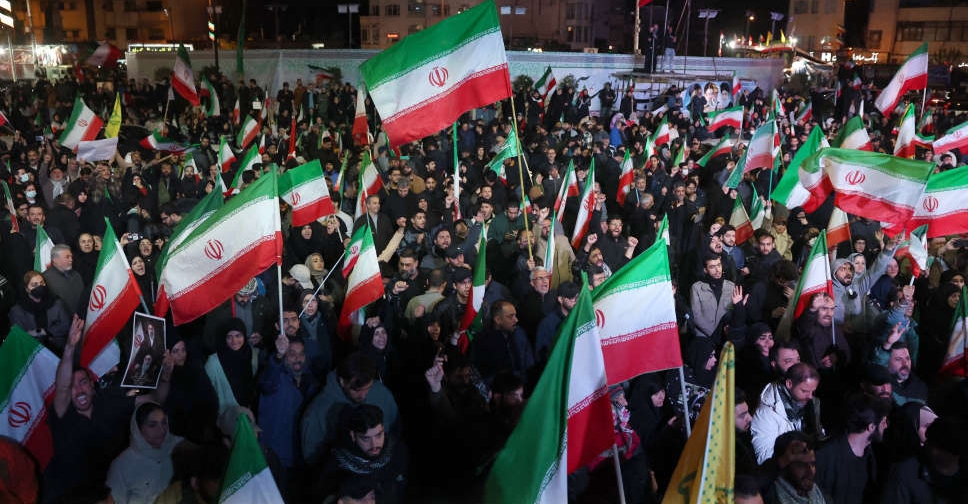
Crowds took to the streets of Iran overnight to celebrate, waving Iranian flags. But there was also wariness that a deal would not hold.
The ceasefire suspends the war launched on February 28 by Trump and Israeli Prime Minister Benjamin Netanyahu, who had said at the time that they sought to prevent Iran from projecting force beyond its borders, end its nuclear programme and create conditions for Iranians to topple their rulers.
Trump told the French news agency AFP that the ceasefire represented a "total and complete victory" and said on Truth Social that the US had achieved its military objectives.
Netanyahu's office said Israel supported the decision to suspend strikes on Iran for two weeks, but the agreement did not halt Israel's parallel campaign in Lebanon.
The Lebanese state news agency NNA reported continued Israeli strikes across southern Lebanon, including artillery shelling and a dawn air strike on a building near a hospital that killed four people.
Reviving shipping from the Gulf could take time: shipping companies will need assurances of safety before sailing.
Container shipper Maersk said it was not yet making changes: "Any decision to transit the Strait of Hormuz will be based on continuous risk assessments, close monitoring of the security situation, and available guidance from relevant authorities and partners."

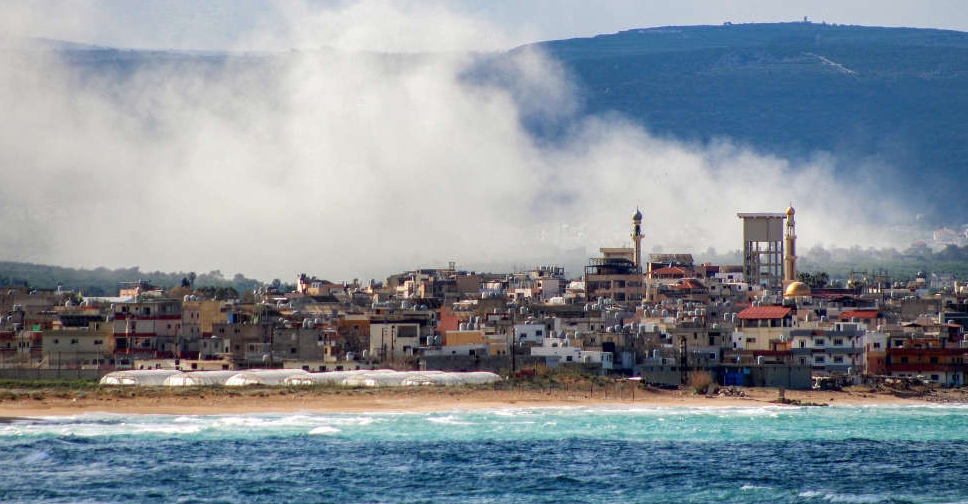 Israel issues new evacuation order for Tyre in southern Lebanon
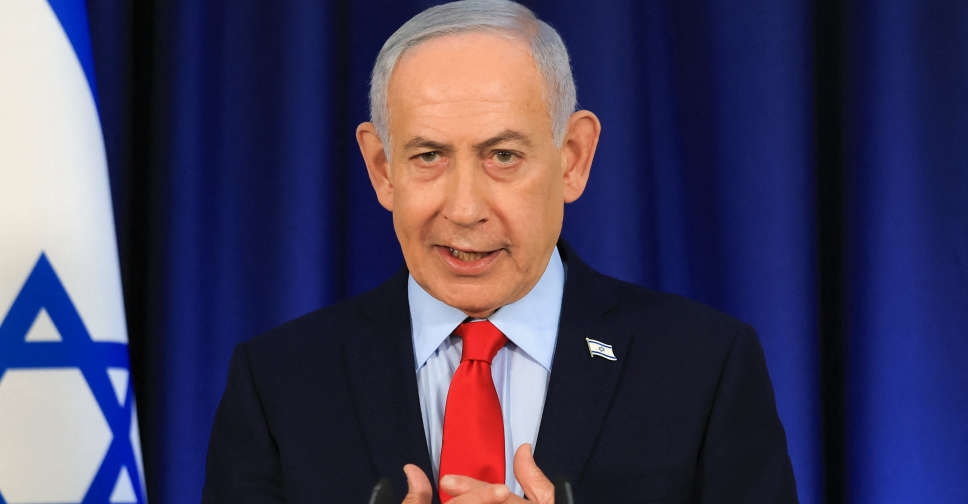 Israel backs Trump's two-week pause on Iran strikes, says Lebanon excluded
 Bahrain reports damaged houses due to fallen debris
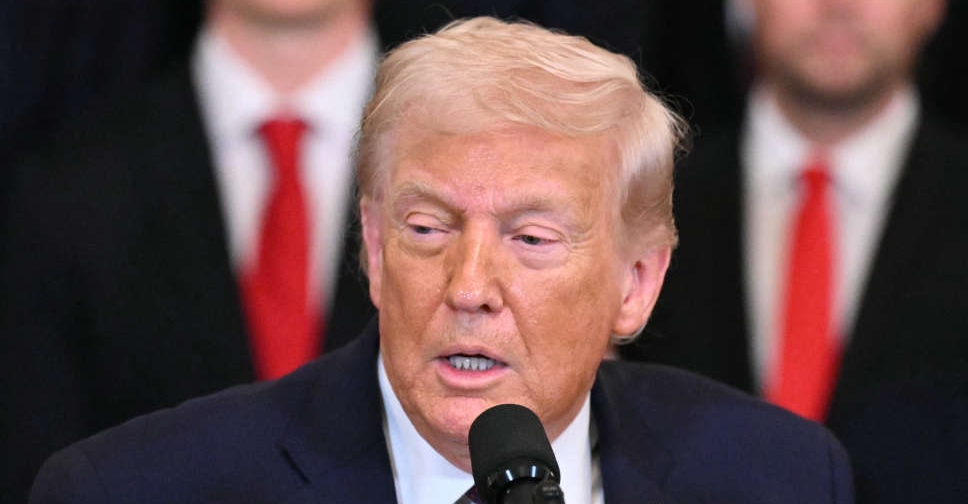 Trump says he has agreed to two-week ceasefire with Iran