
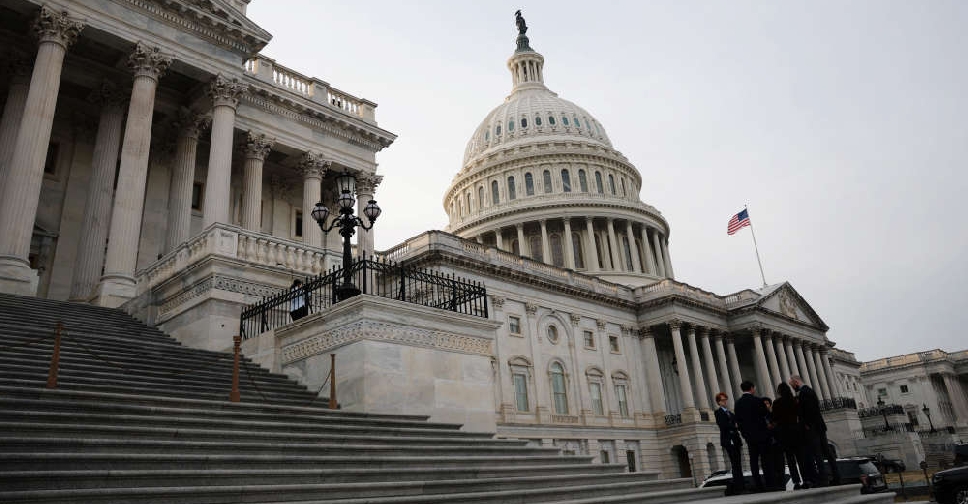
The US House of Representatives narrowly passed its version of a massive defence policy bill, despite Democrats' concerns about its huge price tag, the Iran war and a provision that would boost Pentagon ties to Israel.
The fiscal 2027 National Defence Authorisation Act, or NDAA, which authorises an unprecedented $1.15 trillion in spending for the military, passed the House by 216 to 212.
The vote was largely along party lines, as all but seven Republicans voted in favor of the measure and all but six Democrats voted against.
Democrats objected to the huge amount of money being authorised for the Pentagon, at a time when President Donald Trump and his fellow Republicans are slashing spending on social programmes.
They also object to the ongoing and deeply unpopular war with Iran, which the Pentagon said has cost the US $37.5 billion so far.
Republicans said the trillion-dollar spending is essential to support the military as it wages war in Iran, fund defence systems development and equipment purchases and provide benefits for the troops like raises of up to 7 per cent and construction for barracks and family housing.
Another measure that worried Democrats was a provision that would substantially expand military technology cooperation between the United States and Israel, despite calls from many Americans - particularly on the left - to roll back US support for Israel over concern about the heavy toll on Palestinian civilians of its attacks in Gaza.
IN 2026, 'MUST-PASS' BILL MAY NOT PASS
Historically seen by both parties as "must-pass legislation," the NDAA is one of the few major bills that always gets through Congress, having become law for 65 straight years.
This year's bill faces major challenges, given deep partisan divisions within Congress on issues ranging from the massive size of the military budget, to the Iran war, aid to Israel and Ukraine and "culture war".
The fiscal 2027 NDAA's fate was also complicated because Republicans voted to attach it to the "SAVE America Act," Trump-backed legislation to tighten restrictions on voting, before sending it to the Senate. The impact of that decision on the NDAA's fate was unclear, given that there are not enough votes in the Senate to pass the voting law.
Senate Democrats blocked the Senate's version of the NDAA last week. The chamber's Republican leaders have pledged to try again to advance the bill before leaving Washington for their August recess.
It is early in the NDAA process.
Each year, the House and Senate pass their own versions of the NDAA, before Armed Services committee negotiators agree on compromise version that then comes up for a vote in each chamber.
If the compromise version passes, it would be sent to the White House for Trump to sign into law or veto.

 Swiss woman with Ebola evacuated from Nigeria to Geneva
 Jordan arrests three relatives over deadly church attack after shootout, officials say
 Brazil's working class president Lula wins historic fourth term
 India to evacuate thousands as Cyclone Arnab nears eastern coast