

Abu Dhabi Stem Cells Centre (ADSCC) has announced a major scientific breakthrough in Huntington's disease research following the discovery of a previously unrecognised mechanism that may play a central role in the development of the disease’s treatment.
The findings, expected to be published in a peer-reviewed scientific journal and generated using patient-derived stem cell technology and advanced brain models, could pave the way for the development of future targeted therapies for this devastating inherited neurological disorder.
Huntington's disease is a rare, progressive genetic disorder that affects the brain, leading to the gradual loss of movement, cognitive function, and behavioural control.
Despite decades of research, treatment options remain limited, and no therapy currently addresses the underlying cause of the disease.
The ADSCC research team developed advanced laboratory models by collecting skin and blood cells from Huntington's disease patients representing different stages of the disease, including pediatric and adult patients.
These cells were reprogrammed into induced pluripotent stem cells and subsequently differentiated into brain tissue containing both neurons and astrocytes, allowing researchers to study disease mechanisms in a patient-specific environment.
The research revealed that the primary driver of disease progression extends beyond neurons to include astrocytes, the specialised support cells that make up the majority of brain cells and play a fundamental role in maintaining normal brain function.
Researchers found that in Huntington's disease, astrocytes are unable to build and maintain their internal structural framework due to the effects of the mutant huntingtin protein.
The study demonstrated that the abnormal protein disrupts three critical molecular pathways responsible for regulating the production of Glial Fibrillary Acidic Protein (GFAP), a key structural component required for healthy astrocyte function.
To confirm the findings, the research team introduced the mutant huntingtin protein into healthy cells, successfully reproducing the same cellular abnormalities observed in patients. They then evaluated three therapeutic compounds capable of restoring these disrupted molecular pathways. Following treatment, diseased astrocytes regained their normal structure and function.
The study also highlights the potential of patient-derived stem cell platforms to accelerate research into other inherited neurological and genetic disorders, including amyotrophic lateral sclerosis (ALS), leukodystrophies, Alzheimer’s disease, Parkinson’s disease, Alexander disease, sickle cell disease, and other rare conditions prevalent within the region.

 Funeral prayer for Sheikh Ahmed bin Rashid to be held on Tuesday
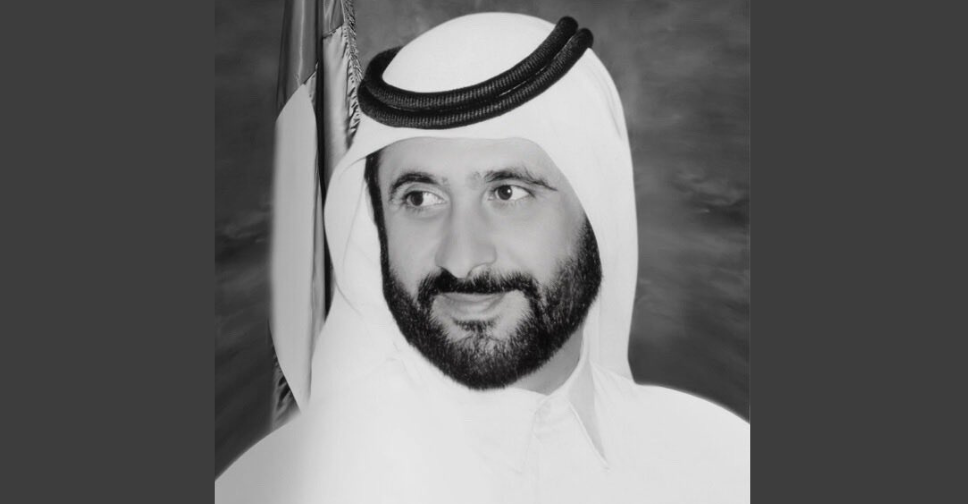 Sheikh Ahmed bin Rashid Al Maktoum passes away; 10-day mourning in Dubai
 Abu Dhabi to host UN congress on crime and criminal justice
 Abu Dhabi strengthens greenhouse gas emissions monitoring
 Sharjah Ruler approves 6,700 housing support requests
 Abu Dhabi court secures AED 7.8 million in workers' dues
 Sheikh Abdullah to lead UAE delegation at UN General Assembly