

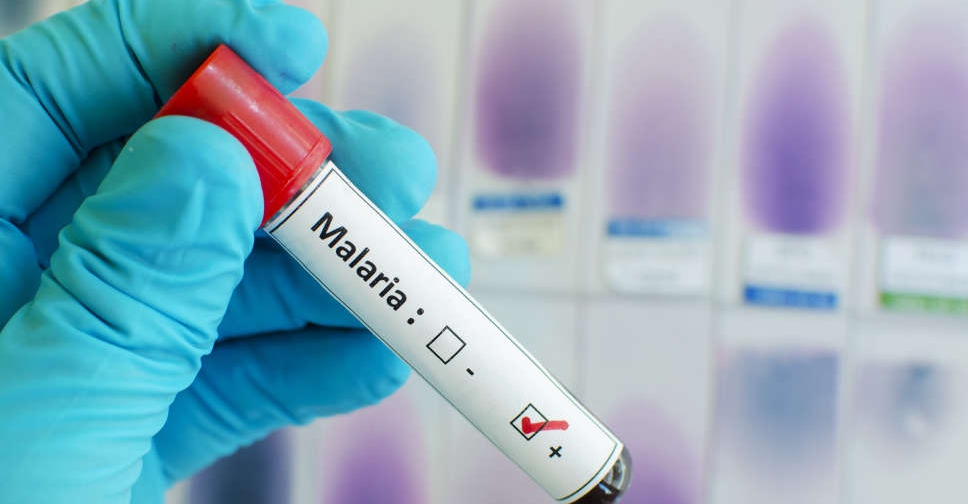
In a major step toward eradicating malaria, the UAE and the World Health Organisation (WHO) are launching a regional database to track and combat the disease across 18 countries.
The initiative, led by the Global Institute for Disease Elimination (GLIDE), under the guidance of Erth Zayed Philanthropies, is focusing on the Middle East and North Africa.
The project aims to build a comprehensive digital platform that maps out malaria risk areas based on a century’s worth of environmental and disease data.
Developed in collaboration with the WHO's Regional Office for the Eastern Mediterranean, Oxford University, and the Kenya Medical Research Institute, the platform will include maps, mosquito breeding sites, and climate data, helping countries better understand and prevent the return of malaria.
Dr. Farida Al Hosani, Deputy CEO of GLIDE, says the system will allow for smarter resource allocation, more accurate risk assessments, and stronger regional cooperation to keep the disease from making a comeback.
While most countries involved are currently malaria-free, the threat of resurgence remains due to factors like human movement and the ongoing presence of malaria-carrying mosquitoes.
The database is expected to be completed by July 2025, with plans to expand it to cover other vector-borne diseases in the future.

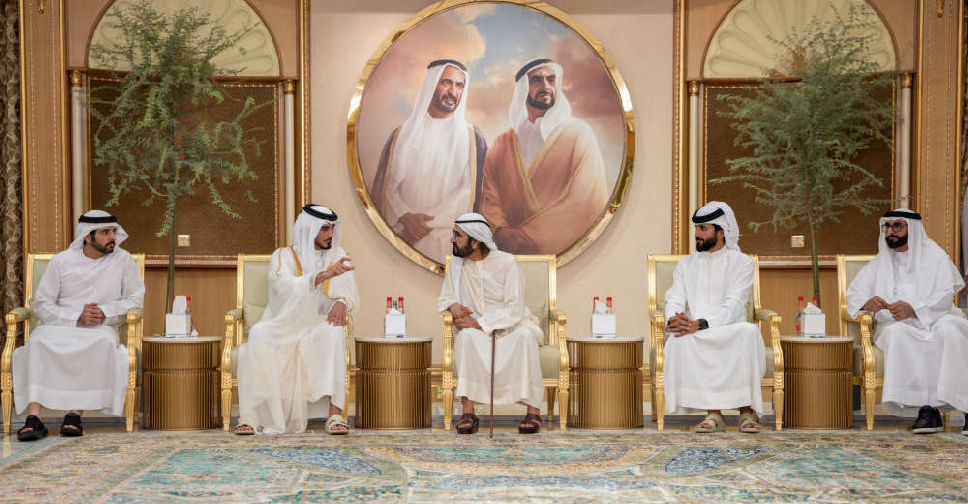 H.H. Sheikh Mohammed receives condolences on passing of Sheikh Ahmed
 UAE welcomes US statement on Sudan peace efforts
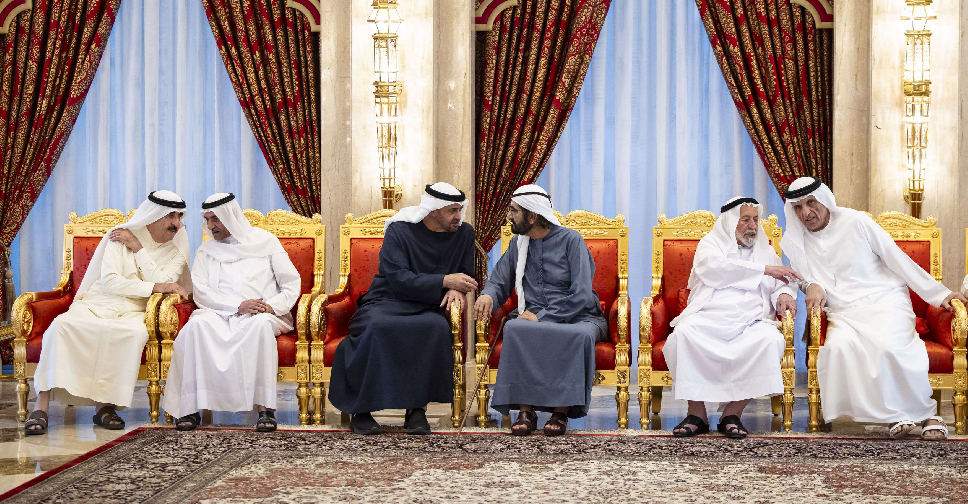 UAE President and Rulers offer condolences to H.H. Sheikh Mohammed
 UAE among global leaders in nuclear security progress
 Sheikh Ahmed bin Rashid Al Maktoum laid to rest
 Sheikh Ahmed bin Rashid Al Maktoum passes away; 10-day mourning in Dubai
 Sharjah approves over AED17.8 million in debt settlement for citizens
 Sheikh Abdullah chairs UAE-France-India trilateral meeting at UN