

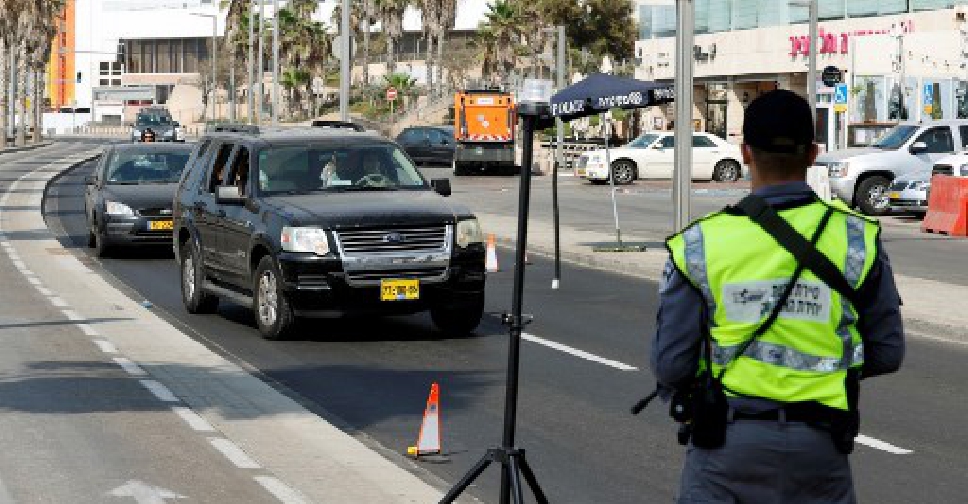
Israel entered a second nationwide lockdown on Friday at the onset of the Jewish high-holiday season, forcing residents to stay mostly at home amid a resurgence in new coronavirus cases.
A lockdown was imposed in late March and eased in May as new cases tapered off, reaching single-digit lows, but in the past week, new cases have reached daily highs of more than 5,000.
Israeli leaders have acknowledge they lifted measures too soon, but the move to reimpose sweeping restrictions has angered residents struggling amid an economic downturn.
"I strongly oppose lockdown. I feel like this is a mistake by the government I voted for, and I think that our freedoms and economy are destroyed by this decision," Jerusalem resident David Khosid said. Israel's unemployment rate is over 20%.
The new lockdown, due to last three weeks, coincides with the start of the Jewish New Year, Rosh Hashana, traditionally a time for large family gatherings.
Under the new rules, Israelis must stay within 500 metres (yards) of home, with exceptions for activities such as commuting to workplaces that will operate on a limited basis.
Social distancing and limits on the number of worshippers will go into effect at synagogues, usually packed for Rosh Hashana and Yom Kippur, the Jewish Day of Atonement that begins at sunset on Sept 27.
As the lockdown came into force, around two dozen worshippers gathered outside a synagogue in Jerusalem and stood roughly two metres apart as they read from the Torah and prayed.
Since the outbreak began, 1,169 people have died in Israel, a country of 9 million.


 Trump touts $5,000 payout if Republicans win as Vance waits in wings
 Search expands after Philippine ferry fire kills five and leaves dozens missing
 Trump says Iran war to end after US midterm elections
 At least 20 killed in cargo vessel fire at China shipyard, state media reports