


Abu Dhabi's Department of Energy has announced a policy allowing customers to generate their own solar electricity, as part of wider efforts to cut emissions and improve energy efficiency across the emirate.
Launched at the World Governments Summit, the Solar (Photovoltaic) Energy Self-Supply Policy enables households, businesses and landowners to install solar panels and other renewable systems to meet part of their daytime electricity needs.
Officials say the move is designed to reduce reliance on the grid, improve efficiency during peak hours and accelerate the transition to clean energy, in line with the Abu Dhabi Energy and Water Efficiency Strategy 2030.
Customers will be able to choose to continue sourcing electricity from the grid or adopt flexible energy solutions, including rooftop solar panels, solar-powered water heaters and battery storage systems. These options allow users to generate and store renewable energy for use during the evening, helping to lower costs and reduce pressure on the power network.
The policy will initially be applied to the agricultural sector, as well as owners of farms, ranches and rest houses, where electricity demand is typically high. Authorities say this group stands to benefit most in the early phase through lower energy bills and improved access to renewable power.
The Department of Energy will also publish a new guidance manual on high-efficiency appliances, intended to help consumers make informed choices when purchasing and operating equipment such as air-conditioning systems, water heaters, lighting and irrigation pumps, using performance data and long-term cost analysis.
Abdulaziz Mohammed Al Obaidli, Director General of Regulatory Affairs at the department, said the solar policy marked one of the most significant regulatory changes in the sector, enabling the community to play a direct role in meeting Abu Dhabi’s clean energy targets.
The initiative forms part of a broader package of energy and climate policies due to be rolled out through 2026, supporting Abu Dhabi’s climate strategy and its goal of building a more resilient, efficient and sustainable energy system.

 Indian educator wins Dubai's $1 million Global Teacher Prize
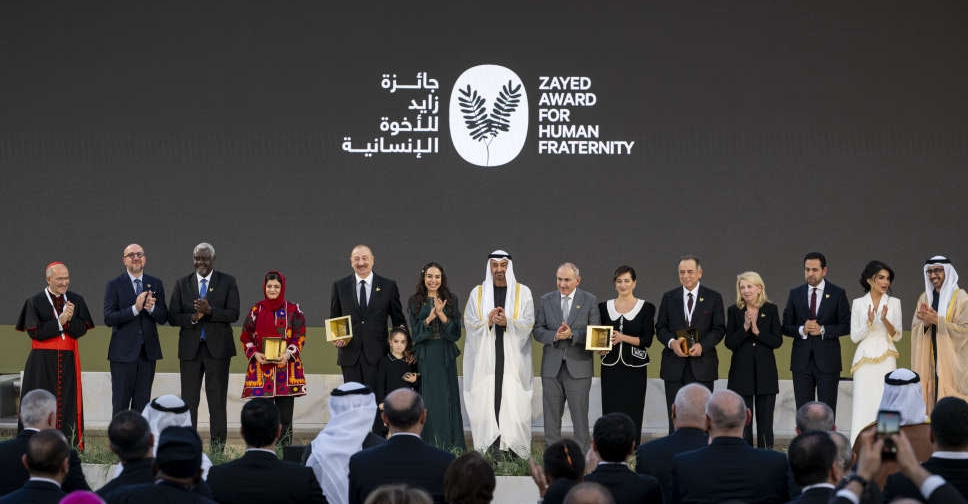 UAE President honours Zayed Award for Human Fraternity winners
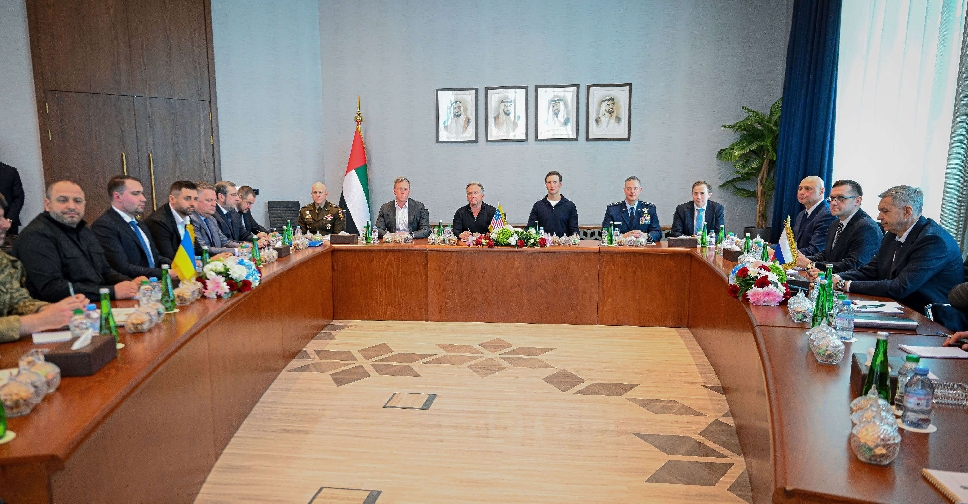 UAE hosts second round of trilateral talks on Ukraine
 UAE expert named on UN panel shaping global AI governance
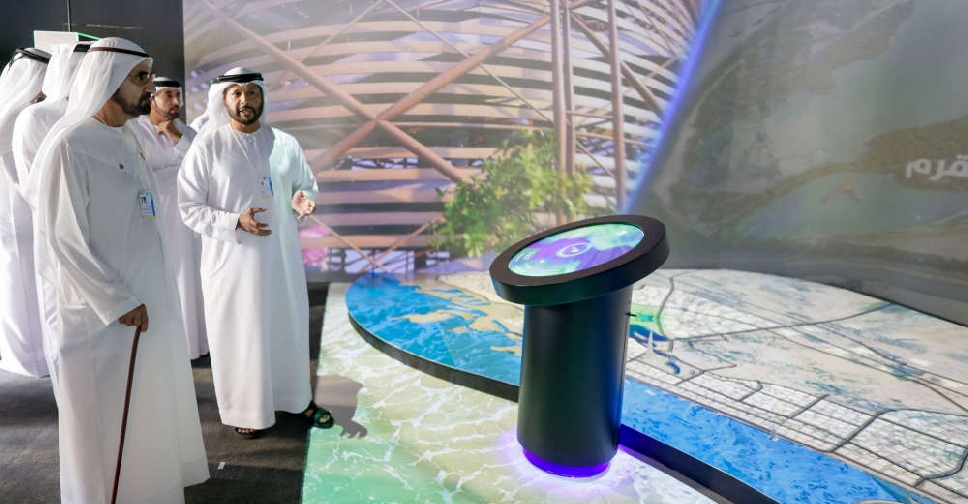 Dubai unveils Blue and Green Spaces Roadmap to improve quality of life
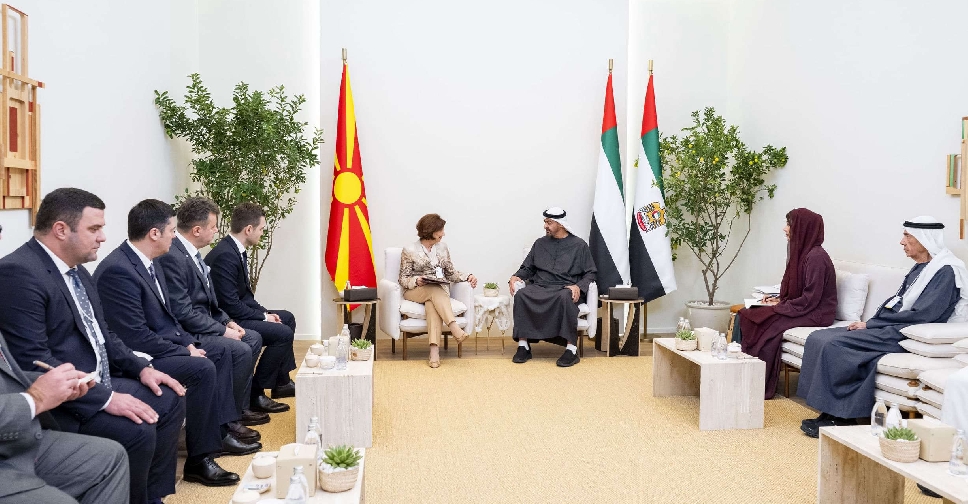 UAE President advances development partnerships at World Governments Summit
 Dubai scales responsible AI learning across private schools
 UAE President honours Paraguay with Most Reformed Government award