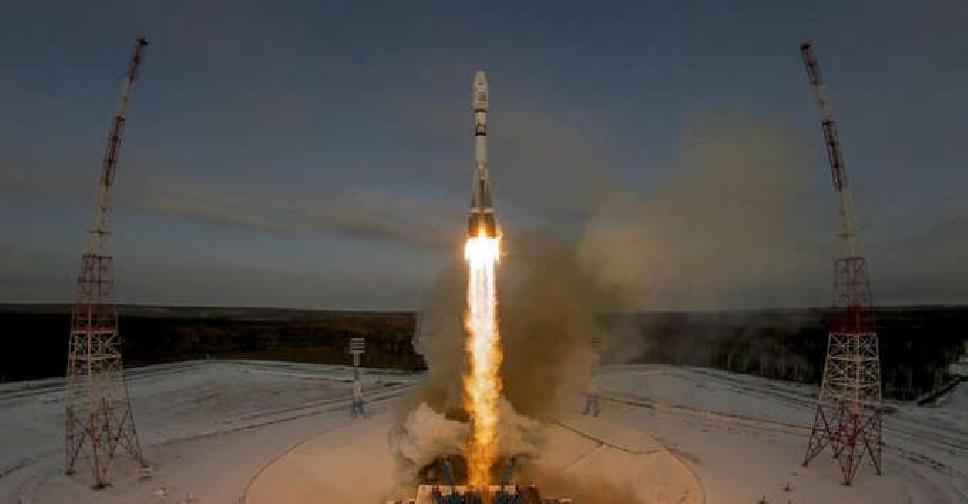
The UAE satellite, known as PHI-Demo, developed by the Mohammed Bin Rashid Space Centre (MBRSC) in partnership with the Emirati private space sector, has successfully launched into space.
The satellite lifted off aboard the Soyuz 2 rocket at 3.34 pm (UAE time), June 27, from Vostochny Cosmodrome in Russia.
The first mission of the Payload Hosting Initiative (PHI) carries two innovative technologies to be tested for the first time in space.
The first is a communication system for the Internet of Things (IOT) that collects data from devices and sensors located on Earth. The satellite then stores and sends the data to the Mission Control Centre at MBRSC.
The second is a clean, safe and environmentally friendly propulsion system.
First highlights of the launch of the Soyuz-2 rocket, carrying the PHI-Demo satellite from the Vostochny Cosmodrome in Russia. The PHI-Demo’s payload includes two technologies that will be tested in space for the first time.#PHIDemo pic.twitter.com/1Sg2qtk7Wo
— MBR Space Centre (@MBRSpaceCentre) June 27, 2023
What are the technologies carried aboard the PHI-Demo satellite, to be tested for the first time in space? The satellite will launch at 3:34 PM (UAE time), while the live coverage will start at 2:45 PM: https://t.co/OZCAe55LXS pic.twitter.com/8FV53N1pxl
— MBR Space Centre (@MBRSpaceCentre) June 27, 2023


 തെറ്റിദ്ധരിപ്പിക്കുന്ന ഉള്ളടക്കം ഓൺലൈനിൽ പ്രസിദ്ധീകരിച്ചതിന് 25 പേരെ കൂടി അറസ്റ്റ് ചെയ്തു.
 മിസൈൽ ഭീഷണികളോട് പ്രതികരിക്കുന്നുണ്ടെന്ന് യു എ ഇ നാഷണൽ എമർജൻസി ക്രൈസിസ് ആൻഡ് ഡിസാസ്റ്റർ മാനേജ്മെന്റ് അതോറിറ്റി
 CBSE പന്ത്രണ്ടാം ക്ളാസ് പരീക്ഷകൾ റദ്ദാക്കി
 Dubai confirms air interceptions in Marina, Al Sufouh
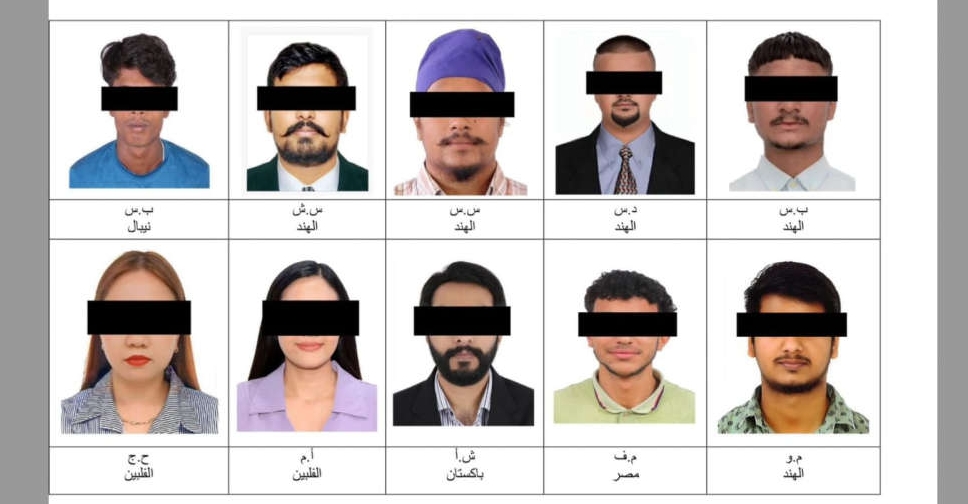 UAE arrests another 25 for posting misleading content online
 Indian education board CBSE cancels Class 12 exams until April
 One injured as authorities contain fire at Fujairah Oil Industry Zone